



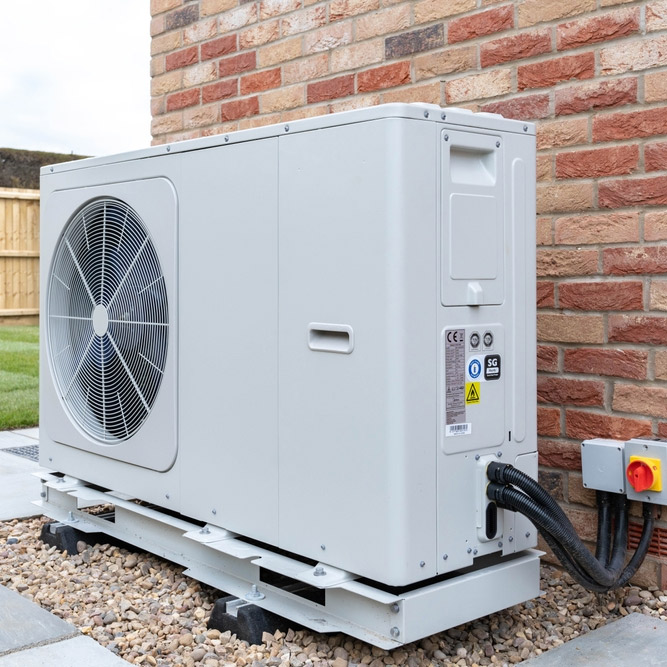
Electric heat pumps are becoming a popular option for heating and cooling homes. Many homeowners choose them to lower energy use and reduce utility bills. Instead of making heat, these systems move heat from one place to another. That difference helps explain why heat pumps work efficiently in many types of climates.
What is an Electric Heat Pump?
An electric heat pump is a system that heats and cools a home by moving heat instead of making it. It runs on electricity and can switch directions based on the season. In winter, it pulls heat from the outdoor air or the ground and brings it inside. In summer, it removes heat from inside the home and releases it outdoors.
The system uses a special liquid called refrigerant that carries heat as it circulates. Key parts work together to absorb heat in one area and release it in another. Because the system moves heat rather than producing it, it often uses less energy than traditional heating methods.
Electric heat pump technology can be used for both HVAC systems (heating and cooling), as well as hot water heaters. This blog focuses on electric heat pumps for HVAC systems.
How Heat Pumps Accomplish Both Heating and Cooling
A heat pump handles heating and cooling by switching the direction of heat flow. A part called a reversing valve allows the system to change modes. The same unit warms the home in winter and cools it in summer.
When cooling, the system pulls heat from indoor air and releases it outside. When heating, it does the opposite. It gathers heat from outside air, even in cold weather, and brings that warmth indoors.
Because one system does both jobs, there's no need for separate heating and cooling equipment. That can reduce installation costs and free up room inside the home.
Common Types of Electric Heat Pumps
Air-source heat pumps are the most widespread variety. These units pull thermal energy from outdoor air and remain effective even in cold temperatures, though efficiency does decline as the mercury drops. Modern cold-climate models can operate efficiently in temperatures as low as minus five degrees Fahrenheit.
Ducted systems distribute conditioned air through existing ductwork, similar to traditional forced-air furnaces and central air conditioners. They work well for homes already equipped with ducts throughout.
Ductless mini-splits offer flexibility for houses lacking ductwork. These systems feature an outdoor compressor unit connected to one or multiple indoor air handlers. Each handler mounts on a wall or ceiling and serves individual rooms or zones. Homeowners can set different temperatures for different areas, improving comfort and reducing waste.
Ground-source or geothermal heat pumps tap into stable underground temperatures. While these systems offer excellent efficiency, they require extensive excavation and piping installation. The focus here remains on electric-powered options accessible to most homeowners.
Some heat pumps don't rely on electricity. They're not nearly as common as electric heat pumps. They include gas-fired heat pumps (more common in commercial buildings), absorption heat pumps (rare in residential settings), and engine-driven heat pumps (uncommon and usually limited to specialized applications). This blog, however, focuses on electric heat pumps.
Benefits That Make Heat Pumps Attractive
Energy efficiency stands as perhaps the biggest advantage. Heat pumps typically deliver two to three times more thermal energy than the electrical energy they consume. This happens because they transfer heat rather than generate it. A furnace converts fuel to warmth at best around 95% efficiency, while heat pumps can achieve 200% to 300% efficiency ratios.
Lower operating costs follow from this efficiency. Monthly utility bills often drop significantly after switching from electric resistance heating or older furnaces. The exact savings vary based on local electricity rates, climate, and how well the home retains conditioned air.
Temperature stability improves with heat pump operation. These systems run longer cycles at lower capacities compared to furnaces that blast hot air in short bursts. This gentler, steadier approach reduces temperature swings and maintains more consistent comfort levels throughout the day.
Environmental benefits matter to many homeowners. Heat pumps produce zero direct emissions at the point of use. While power plants generating electricity may emit pollutants, the overall carbon footprint often shrinks compared to burning fossil fuels on-site. As electrical grids incorporate more renewable sources, heat pumps become even cleaner.
Quiet operation surprises many new owners. Modern units produce minimal noise during operation, far less than older air conditioners or furnaces cycling on and off.
Improved air quality can result from ductless systems since they avoid the dust and allergen circulation that sometimes occurs in ductwork. Many models include advanced filtration to remove particles and contaminants.
Longevity often exceeds traditional equipment. Well-maintained heat pumps can last fifteen to twenty years, sometimes longer. This extended lifespan offsets higher upfront costs over time.
Heat Pumps vs. Traditional Heating and Air Conditioning
Furnaces generate warmth through combustion or electric resistance. Gas furnaces burn natural gas or propane, while electric furnaces use heating elements similar to toaster coils. Both methods consume significant energy compared to heat transfer. Furnaces also require venting systems to expel combustion byproducts, adding complexity and cost.
Traditional air conditioners provide cooling but require separate heating equipment. Installing both a furnace and an AC unit costs more than a single heat pump system. Maintenance requirements double, and two pieces of equipment means twice the potential for breakdowns.
Heat pumps eliminate this duplication. One system handles year-round climate control. The simplification appeals to homeowners tired of coordinating multiple service contracts and equipment replacements.
Performance differences emerge in extreme cold. Furnaces maintain consistent output regardless of outdoor temperatures. Heat pumps work harder and lose efficiency as temperatures plummet, though supplemental resistance heating can bridge this gap. Cold-climate models have narrowed the performance gap considerably.
Regular filter changes keep airflow consistent and prevent strain on components. Dirty filters force the system to work harder, reducing efficiency and increasing wear. Most systems need filter attention every one to three months, depending on usage and air quality.
Annual professional inspections catch potential problems early. Technicians check refrigerant levels, clean coils, verify electrical connections, and test system controls. Spring and fall represent ideal times for these checkups before peak heating or cooling seasons begin.
Outdoor units need clearance from vegetation, debris, and snow accumulation. Keeping the area around the compressor clear allows proper airflow and prevents damage. A simple visual check every few weeks suffices.
Indoor components benefit from occasional cleaning. Ductless mini-split heads accumulate dust on filters and louvers. A quick wipe-down and filter rinse maintain appearance and performance.
These maintenance tasks are straightforward and less intensive than furnace upkeep. No combustion means no soot, carbon buildup, or flame sensor issues to address.
Some believe heat pumps can't handle cold climates. Older models struggled in freezing temperatures, but modern cold-climate heat pumps perform admirably well below zero. Proper sizing and installation make all the difference.
Another misconception suggests heat pumps cost too much to operate. While electricity rates vary, the efficiency gains typically offset higher per-unit energy costs compared to natural gas in most regions. Running cost comparisons should account for seasonal efficiency ratings.
People sometimes think heat pumps blow cold air during heating mode. The air temperature leaving vents runs cooler than furnace output but still warms the home effectively. The difference feels odd at first but doesn't indicate a problem.
Some assume all homes need expensive ductwork modifications. Ductless mini-splits eliminate this concern completely. Even ducted systems can often use existing infrastructure with minor adjustments.
Concerns about frequent repairs worry potential buyers. Quality installations with proper sizing typically result in reliable, long-term operation. Choosing reputable contractors and equipment matters more than the technology itself.
Ideal Candidates for a Heat Pump
Homes with electric service already in place make excellent candidates. No gas line connections or propane tanks are needed, simplifying installation and reducing infrastructure costs.
Mild to moderate climates historically suited heat pumps best, but cold-climate models have expanded viability considerably. Even regions with harsh winters can benefit from modern equipment designed for extreme temperatures.
Homeowners prioritizing efficiency and sustainability find heat pumps aligned with their goals. The reduced energy consumption and lower emissions appeal to environmentally conscious families.
Properties with aging HVAC systems approaching replacement make perfect opportunities. When the furnace or AC unit fails, installing a heat pump instead of replacing like with like often makes financial sense.
Households seeking better comfort control appreciate zone capabilities, particularly with ductless systems. Families with differing temperature preferences can satisfy everyone without constant thermostat battles.
New construction offers an ideal scenario. Builders can design homes around heat pump capabilities, optimizing insulation and air sealing to maximize performance and minimize operating costs.
Heat pumps represent a proven technology that's evolved significantly over recent decades. The combination of heating and cooling in one efficient package appeals to many homeowners looking to reduce both energy consumption and utility bills. Understanding how these systems work and what they offer helps people make informed choices about home comfort equipment.
The shift away from fossil fuel combustion aligns with broader efforts to reduce residential carbon footprints. As electrical grids incorporate more renewable generation, heat pumps become increasingly clean. The financial case strengthens as equipment improves and rebates or incentives offset installation costs in many areas. For homeowners ready to move beyond conventional furnaces and air conditioners, electric heat pumps deserve serious consideration as a reliable, efficient alternative.