



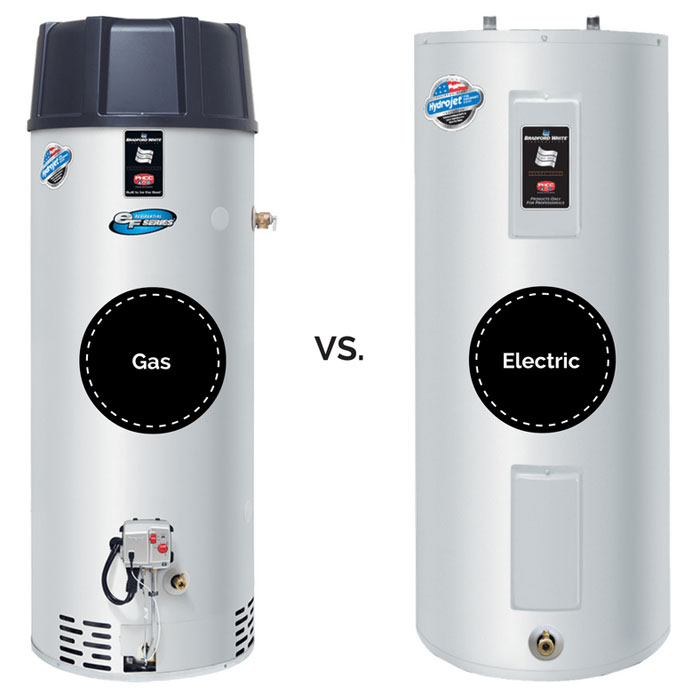
This article explains the key differences between gas and electric water heaters, covering performance, cost, installation, safety, maintenance, and long-term use so homeowners can make a clear, informed decision
How Gas and Electric Water Heaters Work
Water heaters follow a simple goal: heat water and keep it ready for use. The way they do this depends on the energy source and internal design.
Gas water heaters use a burner located at the bottom of the tank. When the thermostat calls for heat, gas flows to the burner and ignites. The flame heats the tank from below, and hot exhaust gases rise through a flue, transferring heat to the surrounding water before exiting through a vent.
Electric water heaters rely on heating elements placed inside the tank. These elements work like large resistive coils. When electricity flows through them, they heat up and transfer that heat directly to the water. Most tanks use two elements, one near the top and one near the bottom, controlled by thermostats.
These internal differences shape how each system behaves during daily use. Gas units rely on combustion and airflow, while electric units depend entirely on electrical input and internal components.
Daily use puts pressure on any water heater. Showers, laundry, and dishwashing can overlap, especially in larger households. Recovery speed becomes a key factor in how well a system keeps up.
Gas water heaters tend to heat water quickly. The burner produces a strong heat source that can raise water temperature at a faster rate. This allows the tank to recover sooner after hot water is used.
Electric water heaters heat water at a steadier pace. The elements provide consistent heat, though the recovery process may take longer compared to gas systems. In homes with moderate water use, this may not cause noticeable issues.
Output also depends on tank size and incoming water temperature. Cold groundwater requires more energy to heat, which can slow recovery for any system. Households with higher demand may notice differences more clearly, especially during back-to-back use.
Energy use varies based on fuel type and local utility rates. Gas systems run on natural gas or propane, while electric systems depend on electricity supplied to the home.
In many areas, natural gas costs less per unit of energy than electricity. This can lead to lower monthly operating costs for gas water heaters. However, efficiency plays a role as well. Some electric units convert a higher percentage of energy into usable heat, which can offset part of the cost difference.
Standby heat loss is another factor. Tanks lose heat over time as stored water cools slightly. Insulation helps reduce this loss, though it can't eliminate it completely. Both gas and electric units experience this effect, though design differences may influence how much energy is lost.
Operating cost isn't fixed. It shifts based on usage patterns, energy prices, and system efficiency. A clear picture comes from looking at both fuel rates and how the heater is used day to day.
Power outages can disrupt household systems, and water heaters are no exception. Electric units depend entirely on electricity, so they stop heating water when power is lost.
Gas water heaters may continue operating during an outage, depending on the model. Units with standing pilot lights can still heat water without electrical input. Newer models that use electronic ignition or control boards, however, may need power to function.
This difference can impact daily routines during extended outages. Access to hot water can remain available with certain gas systems, while electric units remain inactive until power returns.
Reliability also depends on component design. Electrical parts, control boards, and ignition systems can fail over time. Regular service helps keep both types working as intended.
Installation varies based on the type of water heater and the home's existing infrastructure. Gas units require a gas supply line, which must be properly sized and installed. They also need space for safe combustion and airflow.
Electric units require sufficient electrical capacity. Larger tanks may need dedicated circuits or higher voltage connections. Older homes may require electrical upgrades to support these systems.
Placement also matters. Water heaters are usually installed in basements, utility rooms, or garages. The location must allow access for service and meet clearance requirements.
Installation cost can vary based on these factors. Homes already equipped with gas lines may find gas installation straightforward, while homes without gas service may face higher setup costs. And of course, if gas service is not available in your area, then you have no choice but to go with an electric water heater.
Gas water heaters produce exhaust gases during operation. These gases must be vented safely out of the home. Proper venting prevents buildup of harmful gases, including carbon monoxide. Venting systems may include metal flues or direct vent designs. The setup depends on the unit and home layout. Incorrect venting can lead to safety risks, so proper installation and inspection are critical. Since gas units need room for venting and combustion air, that can limit placement options in some homes.
Electric water heaters don't produce combustion gases. This removes the need for venting and reduces concerns related to indoor air quality. The absence of combustion also means fewer moving parts tied to airflow. And without venting needs, electric water heaters can be installed in a wider set of locations, including smaller utility areas. This can be helpful in homes with limited layout options.
Safety extends beyond venting. Temperature and pressure relief valves, thermostats, and other controls help regulate system operation. These components need to remain in good condition to prevent overheating or pressure buildup.
Water heaters run quietly most of the time, though some sound is expected during heating cycles. Noise levels rarely interfere with daily life, though placement near living areas may make sound more noticeable.
Gas units may produce a soft rumble or whooshing sound when the burner ignites. This sound usually lasts for a short period while the unit heats water. Some models also produce faint clicking from ignition systems.
Electric units tend to run more quietly. The heating elements operate without combustion, so there's no flame or exhaust noise. In many cases, the system runs with minimal sound.
All water heaters require periodic service to stay in good condition. Maintenance helps prevent buildup, corrosion, and component failure.
Flushing the tank removes sediment that settles at the bottom. This buildup can reduce efficiency and place stress on the system. Both gas and electric units benefit from regular flushing.
Anode rods play a key role in preventing corrosion inside the tank. These rods attract corrosive elements in the water, helping protect the tank walls. Over time, the rod wears down and needs replacement.
Gas units may require burner cleaning and inspection of venting components. Electric units may need heating elements replaced if they fail. Thermostats and valves should also be checked during routine service.
Water heaters don't last forever. Over time, internal components wear down, and corrosion can weaken the tank.
The lifespan of a unit depends on water quality, usage patterns, and maintenance. Hard water can lead to faster mineral buildup, which can shorten the life of the system. Regular flushing helps reduce this effect.
Electric units tend to have fewer moving parts, which can reduce some wear points. Gas units rely on burners and venting systems that may need more frequent attention.
Tank failure is one of the most common end-of-life issues. Once corrosion reaches a certain point, replacement becomes the practical option. Planning for replacement before failure helps avoid unexpected disruptions.
The cost of a water heater includes both purchase price and installation. Gas units may cost more upfront, especially if a gas line or venting system needs to be added. Electric units usually have lower purchase and installation costs. Their simpler setup can reduce labor time and material needs.
Long-term value depends on operating costs and maintenance. Lower energy costs can offset higher upfront investment over time. The balance varies based on local utility rates and usage habits.
Looking at the full life cycle of the unit provides a clearer understanding of cost. Short-term savings don't always match long-term expenses.
Gas and electric water heaters each offer distinct characteristics tied to how they operate, how they're installed, and how they perform over time. A clear decision comes from understanding daily use, energy costs, safety factors, and long-term maintenance. By reviewing these areas in a structured way, homeowners can choose a system that fits their home, supports consistent hot water use, and remains reliable through years of service.
Read our related articles on tankless water heaters, electric heat pump water heaters, and signs that your water heater is failing.