



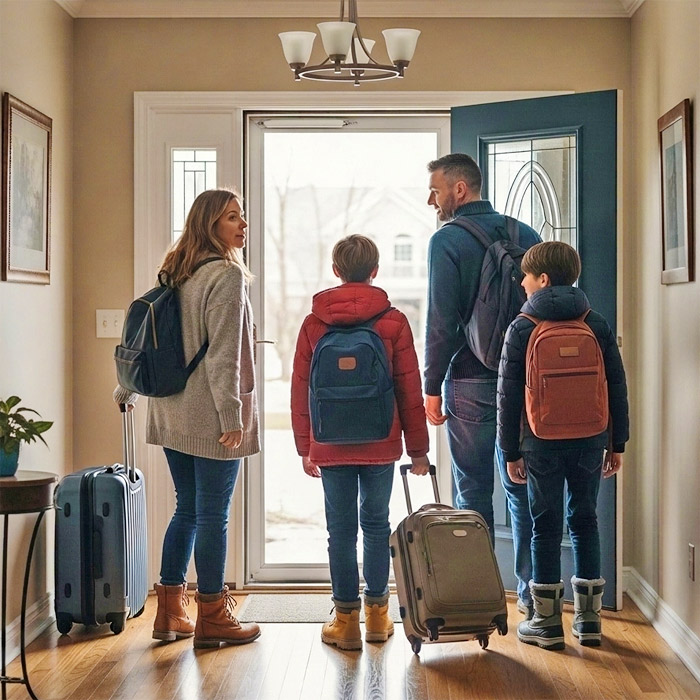
Leaving home during winter travel requires a few steps to protect your home's heating system and prevent frozen pipes. This guide explains practical ways to prepare your heating system before vacation and reduce the risk of cold-weather damage.
Schedule Furnace Maintenance Before Traveling
Heating systems work hardest during cold weather. When a furnace runs daily for long periods, routine maintenance helps keep the system operating smoothly.
Before a winter trip, a quick inspection by a technician can help prevent unexpected shutdowns. During a maintenance visit, the technician checks several components. Burners are inspected for proper combustion. Ignition systems receive testing. Electrical connections are examined for wear. Airflow also receives attention. Restricted airflow can cause the furnace to overheat and shut down.
When these checks are complete, the heating system can continue running steadily while the house remains empty.
Check Boiler Systems Before Leaving
Homes that use boiler heating systems rely on circulating hot water to warm the building. These systems contain several components that should operate smoothly while the house is empty. A quick inspection before leaving can help confirm that the system remains stable.
Check the pressure gauge on the boiler. Most systems operate within a normal pressure range indicated on the gauge. A reading far outside that range may signal a problem.
Circulation pumps move heated water through the piping system. If the pump operates correctly, heat spreads evenly through the home.
Expansion tanks also support boiler systems. These tanks absorb pressure changes as water heats and cools.
If the heating system has been running normally, these components usually continue operating without trouble during travel.
Inspect Hydronic Heating Safety Devices
Hydronic heating systems contain safety controls that protect the boiler and piping.
One of these devices is the pressure relief valve. This valve opens if system pressure climbs too high. The valve releases water to lower pressure inside the boiler.
Another safety control is the low water cutoff. This device stops the boiler if water levels drop too low. Running a boiler without water can damage the system.
Some systems also use flow switches that detect water movement in the heating loop. If water stops circulating, the system can shut down to prevent overheating.
A quick inspection of these safety devices helps confirm that the heating system remains protected during a trip.
Replace the Furnace Air Filter
A furnace filter collects dust and particles from indoor air. Over time the filter fills with debris and restricts airflow. Restricted airflow places extra strain on the furnace blower motor. In some situations it can cause the furnace to overheat and shut down. Many homeowners change filters every one to three months during the heating season. If a filter change is almost due, changing it before leaving home helps keep air moving smoothly through the heating system. A clean filter helps the furnace maintain steady airflow during long heating cycles.
Keep the Heat On During Winter Travel
Most homes benefit from leaving the heating system active during winter trips, even if the house will remain empty for several days.
Turning the heat off completely can expose plumbing lines to freezing temperatures. Water inside pipes begins to freeze once temperatures drop low enough. Ice expands and pushes outward against pipe walls. The pressure can split copper, plastic, or steel pipes. When temperatures rise again, water flows through the damaged pipe and begins leaking into walls, ceilings, or floors.
Keeping the heating system running prevents that situation. Even a modest level of indoor heat keeps pipes above freezing and helps maintain steady indoor conditions.
Check Heating Vents and Airflow Paths
Heating systems rely on clear airflow through vents and returns. Furniture, rugs, or stored items sometimes block these openings. Before leaving home, it helps to walk through the house and confirm that vents remain open. Blocked vents can cause uneven heating in different parts of the house. Cold areas may develop near plumbing lines if airflow becomes restricted. Maintaining clear airflow paths helps warm air circulate throughout the building.
Confirm the Thermostat Is Operating Correctly
Before leaving, homeowners should check the thermostat one final time. Adjust the temperature to the planned travel setting and watch the heating system cycle on. This quick check confirms that the thermostat communicates with the heating equipment. If the furnace starts normally and warm air begins flowing through vents, the system is ready to maintain indoor temperatures during the trip. A brief inspection like this takes only a few minutes but provides peace of mind before leaving home.
Lower the Thermostat Before Leaving
Heating systems don't need to run at normal comfort temperatures when nobody is home. Lowering the thermostat reduces fuel use while still protecting the plumbing system.
Many heating professionals recommend a setting near 55°F when you're away from home for a few days. This temperature keeps indoor areas warm enough to protect pipes in walls, floors, and basements.
Interior heat slowly moves through the house and helps warm areas near plumbing lines. Even rooms that receive less heat remain well above freezing when the thermostat stays near this level.
A steady indoor temperature also protects household materials such as flooring, drywall, and wood trim from severe temperature swings.
Use a Smart Thermostat for Remote Monitoring
Smart thermostats provide a useful tool during travel. These devices connect to a phone or tablet and allow homeowners to view indoor temperatures from anywhere.
Remote monitoring adds a simple layer of awareness while the house remains empty, and remote access makes it possible to confirm that the heating system continues running normally. If the system stops working during a cold period, the thermostat can send an alert. This type of warning allows a homeowner to call a technician before temperatures inside the house drop too low.
Some thermostats also track humidity levels and heating cycles. A sudden drop in indoor temperature can signal equipment trouble or a power outage.
Consider Installing a Freeze Alarm
A freeze alarm monitors indoor temperature and sends a warning when the temperature falls below a safe level. An alert from a freeze alarm allows a homeowner to arrange service before pipes begin freezing.
These devices work independently of the heating system. If the furnace shuts down or electrical power fails, the alarm sends a message through a phone line or wireless connection.
Many homeowners place freeze alarms in basements or utility rooms. These areas often contain water heaters, boilers, and plumbing lines that must remain above freezing.
Protect Pipes in Cold Areas of the Home
Some plumbing lines run through areas that receive less indoor heat. Crawl spaces, garages, attics, and exterior walls often contain pipes exposed to colder air.
When outdoor temperatures fall sharply, pipes in these areas can cool faster than pipes inside interior walls. Pipes can also freeze and leak.
Pipe insulation helps slow heat loss from these lines. Foam sleeves or insulating wrap placed around the pipe reduce exposure to cold air.
Basement areas that contain exposed pipes also benefit from insulation. Even a modest layer of insulation can reduce the chance of freezing during long winter trips.
Keeping interior doors open in some parts of the house can also help indoor air circulate around plumbing areas.
Prepare for Power Interruptions
Winter storms sometimes interrupt electrical service. When electricity stops, most heating systems shut down as well. Homes located in areas with frequent winter storms sometimes benefit from backup power systems. Portable generators or permanently installed standby generators can supply electricity to heating equipment during outages.
Heating systems quietly maintain indoor warmth during winter travel. A few simple checks before leaving can help prevent frozen pipes, heating shutdowns, and unexpected repair problems. Keeping the thermostat set to a safe level, confirming airflow, and inspecting heating equipment allows the system to continue operating steadily while the house remains empty.