



The Latest Advances in Residential Heating Technology
Residential heating technology continues to improve, offering homeowners new options for comfort, efficiency, and reliability. This article explores recent advances in heating systems and how these improvements can benefit homeowners.
Heating equipment has changed considerably over the past several years. Manufacturers are introducing improvements that make residential systems easier to operate, better at maintaining comfortable temperatures, and less expensive to run under certain conditions. Many of these advances build on established technologies, incorporating improved components and controls rather than entirely new inventions.
For homeowners considering a heating system replacement, understanding these developments can make the selection process easier. Availability, installation costs, and compatibility with existing equipment vary, so keep in mind that the newest technology isn't necessarily the best choice for every home.
Advanced Combination Boilers Simplify Home Heating and Hot Water
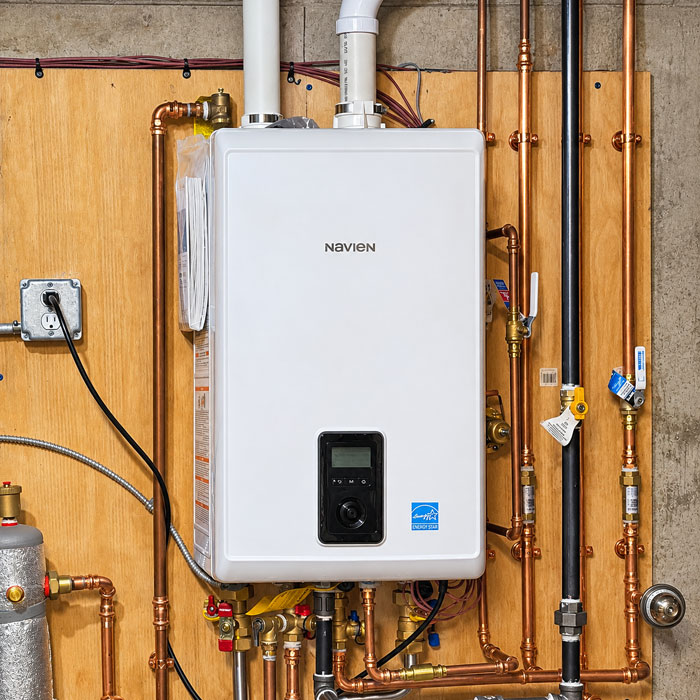
Combination boilers, commonly called combi boilers, provide central heating and domestic hot water through a single appliance, eliminating the need for a separate water heater in suitable homes. Although they've been available for many years, recent improvements have made them more efficient and better equipped to handle changing household demands. Their compact design can also be beneficial in homes with limited room for heating equipment.
Modern combi boilers can automatically adjust their heating output according to demand, operating at a lower level during mild weather and increasing output when additional heat is needed. Newer controls can also adjust the temperature of the water circulating through radiators or baseboards, helping reduce unnecessary fuel consumption.
Recent developments have also improved domestic hot water performance. Some newer models can respond more effectively to changes in water usage, helping maintain consistent temperatures when household fixtures are being used.
However, combination boilers aren't suitable for every home. Households with several bathrooms or high simultaneous hot water demands may benefit from a different arrangement. Existing heating pipes, radiators, and household water requirements should also be evaluated before choosing this type of equipment.
Modulating Furnaces Adjust Heating Output to Household Needs
A conventional single-stage furnace operates at one heating output whenever it's running, while a modulating furnace can adjust the amount of heat it produces based on the home's needs. For example, it may operate at a higher output during a cold morning and reduce its output as outdoor temperatures rise. Although modulating furnaces have been available for years, newer models offer more precise controls.
Many modern modulating furnaces also incorporate variable-speed fans that regulate how heated air moves through the home's ductwork. These features help maintain consistent indoor temperatures while reducing the sudden bursts of hot air associated with conventional furnaces. Lower fan speeds can also provide quieter operation, making the heating system less noticeable throughout the day.
Modulating furnaces may also reduce fuel consumption under suitable conditions. Actual savings depend on the furnace's efficiency rating, installation, household heating requirements, and the equipment being replaced. For homeowners who prefer gas heating, newer modulating furnaces offer improved comfort and efficiency without requiring a change to a different heating method.
Advanced Self-Diagnostics Make Heating Problems Easier to Identify
Modern furnaces, boilers, and heat pumps increasingly incorporate electronic controls that monitor important operating conditions, including temperatures, heating cycles, and equipment performance. When something operates outside normal conditions, the system may generate a diagnostic code or warning that helps a service technician identify the problem.
Some newer heating systems also have connected controls that allow authorized contractors to review operating information remotely. This can be especially useful when problems occur intermittently, since recorded information may reveal an issue that isn't present during a service visit. Certain systems can also notify homeowners when maintenance is needed or when a potential problem requires attention.
These advances can make diagnosing heating issues faster and more accurate, reducing guesswork and unnecessary service visits. Although self-diagnostic technology doesn't replace professional inspections, testing, or repairs, it gives technicians useful information for identifying problems and determining the appropriate solution.
Hybrid Heating Systems Combine Electric and Gas Heating
Hybrid heating systems, sometimes called dual-fuel systems, combine an electric heat pump with a gas furnace. This arrangement allows homeowners to use two heating sources within one coordinated system, taking advantage of each under different operating conditions.
During milder weather, the heat pump typically provides heating by transferring warmth from the outdoor air into the house. When temperatures drop, the system can switch to the gas furnace, which can provide additional heating capacity during particularly cold conditions.
Recent improvements in hybrid heating controls allow these changes to occur with greater precision. Some systems can select the heating source based on outdoor temperature, operating efficiency, or local energy costs. This gives homeowners an opportunity to reduce their natural gas consumption by using electric heating whenever conditions are favorable.
Hybrid systems require compatible equipment and properly configured controls. Homes with existing forced-air ductwork may be better suited to this arrangement than those heated exclusively by radiators or baseboards. A heating contractor can evaluate the home's existing equipment, installation requirements, and utility costs to determine if a hybrid system would be a suitable choice.
Cold-Climate Heat Pumps Offer Improved Winter Performance
Heat pumps have become an increasingly popular option for residential heating and cooling. They use electricity to transfer heat into a home during winter and remove it during summer. Because they move heat rather than produce it through combustion, they can provide efficient heating under suitable conditions.
Traditional air-source heat pumps generally lose heating capacity as outdoor temperatures drop, sometimes requiring supplemental heating during extended periods of freezing weather. Newer cold-climate models use improved compressors and other components to maintain stronger heating performance in low temperatures. Some can operate at outdoor temperatures as low as -20°F, although their heating capacity and efficiency vary by model and operating conditions.
These improvements make cold-climate heat pumps an attractive option for homeowners in New Jersey and other regions that encounter freezing winter temperatures. They also perform well during milder weather, allowing homeowners to use the same equipment throughout the heating season. Some homes may still require supplemental heat during particularly severe cold spells.
The size and condition of the home, insulation, and existing heating equipment influence how well a cold-climate heat pump will perform. Proper equipment selection is important, particularly when determining how much heating capacity a home needs during the coldest winter weather.
Advanced Variable-Speed Heat Pumps Provide Better Temperature Control
Many conventional heating systems operate at a fixed output whenever the thermostat calls for heat. Once the desired indoor temperature is reached, the equipment shuts off until additional heating is needed. This can produce noticeable temperature changes as the system repeatedly starts and stops.
Variable-speed heat pumps use compressors that adjust their operating speed according to the home's heating needs. Recent improvements allow some models to make increasingly precise adjustments, including operating at lower output for extended periods. This is particularly useful during spring and fall, when outdoor temperatures fluctuate and less heating is needed.
By making gradual adjustments, these systems can maintain steadier indoor temperatures while operating more quietly. Running at reduced output can also improve energy efficiency, potentially lowering electricity consumption under suitable conditions.
Although variable-speed technology has been available for years, manufacturers continue improving its performance and controls, giving homeowners additional options for comfortable and efficient heating.
Newer Refrigerants Reduce the Environmental Impact of Heat Pumps
Refrigerants are substances that allow heat pumps to absorb and release heat as they operate. Some refrigerants used in older equipment have a relatively high global warming potential, meaning they can contribute significantly to climate change if released into the atmosphere.
Federal regulations have prompted manufacturers to introduce heat pumps using refrigerants with a lower environmental impact. Two examples are R-32 and R-454B, both of which have a lower global warming potential than R-410A, a refrigerant widely used in residential heat pumps for many years.
To accommodate these newer refrigerants, manufacturers have redesigned certain components and incorporated appropriate safety features. As the transition continues, homeowners purchasing new heat pumps will increasingly encounter equipment using these alternatives.
Existing heat pumps using older refrigerants don't automatically need replacement. They can generally continue operating and receiving professional maintenance, although refrigerants aren't interchangeable between systems. Heating contractors must use the refrigerant specified for each unit and follow the manufacturer's servicing instructions.
Choosing the Right Heating Technology for Your Home
Advances in residential heating technology give homeowners additional options when installing or replacing heating equipment. However, the best choice depends on several factors, including the home's heating needs, existing equipment, installation costs, and available technologies.
Existing ductwork, radiators, electrical service, and other components can influence which systems are suitable and how much installation will cost. Newer equipment may also have a higher purchase price, although improved efficiency could reduce long-term operating expenses. Local utility rates and household heating demands should be considered when comparing options.
Availability and service support can vary by manufacturer and location. A qualified heating contractor can assess these factors, explain the benefits and costs of different systems, and recommend equipment suited to the home's requirements.
Heating technology will continue to develop as manufacturers find new ways to improve residential equipment. For homeowners, these advances make it worthwhile to explore current options before investing in a new heating system. A knowledgeable heating contractor can explain which newer features offer meaningful benefits and help homeowners avoid paying for technology they may never need.