



What Is an Air Conditioning Condensate Drain Line and Why Is It Important?
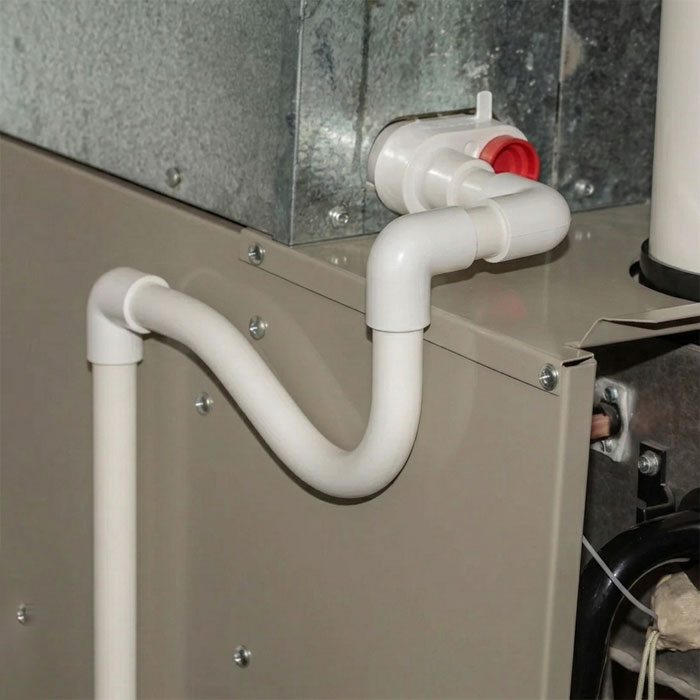
Air conditioning systems remove heat from indoor air, but they also remove moisture. This article explains how condensate drain lines work, common problems, warning signs, maintenance concerns, and why proper drainage protects homes from water damage.
What Is an Air Conditioning Condensate Drain Line and Why Is It Important?
Many homeowners focus on the cooling side of an air conditioning system and rarely think about the water it produces during normal operation. Yet every central air conditioning system generates condensation while running, especially during hot, humid weather. That moisture has to leave the system safely. If it doesn't, water can collect around the indoor equipment, leak into ceilings or walls, raise indoor humidity, and lead to expensive repairs.
The condensate drain line handles that job. It's a small but very important part of the system, and when it develops problems, homeowners usually notice quickly. Water around the indoor unit, musty smells, stained ceilings, and repeated air conditioner shutdowns are all warning signs that something isn't draining correctly.
A better understanding of how the condensate drain line works can help homeowners recognize problems earlier and avoid damage that spreads far beyond the air conditioning system itself.
Why Air Conditioners Produce Condensation
Air conditioners don't just cool the air. They also remove moisture from it. That process happens inside the indoor evaporator coil. Warm indoor air passes across the cold coil while the system runs. As the air cools, moisture in the air condenses into water droplets on the surface of the coil. The process is similar to the way water forms on the outside of a cold drink during humid weather.
During summer, an air conditioning system can remove a surprising amount of moisture from indoor air each day. In some homes, several gallons of water may pass through the drainage system daily during periods of heavy use. That moisture is completely normal. The problem begins when the system can no longer move the water away properly.
Where the Condensation Goes
After condensation forms on the evaporator coil, the water drips into a drain pan positioned beneath the coil. From there, the water enters the condensate drain line and flows away from the air handler or furnace area. Depending on the system layout, the drain line may discharge outdoors or into a utility sink, a floor drain, or a condensate pump. Some systems include secondary drain pans and safety switches for extra protection against overflow.
The line itself is usually made from PVC pipe or flexible tubing. Since it handles water continuously during the cooling season, the drain line has to remain clear and properly sloped so gravity can move the water away.
When everything is working correctly, most homeowners never notice the drain line at all.
Why the Condensate Drain Line Is So Important
The condensate drain line may look insignificant compared to larger air conditioning components, but it protects the home from moisture problems that can spread quickly.
A clogged or damaged drain line can allow water to overflow from the drain pan and leak into surrounding materials. Water may soak insulation, drywall, flooring, framing, or ceilings before the problem becomes obvious. In attic installations, the damage can spread across large sections of the ceiling before anyone notices staining or dripping.
Excess moisture can also contribute to musty odors and damp indoor conditions. In some situations, standing water near the indoor equipment may support mold growth around nearby materials.
Many modern systems include float switches or safety shutoffs designed to stop the air conditioner if the condensate line backs up. While that protection helps reduce water damage, it also means a drainage problem can leave the home without cooling during hot weather.
The drain line doesn't cool the air itself, but the air conditioning system can't operate properly without it.
Common Problems with Condensate Drain Lines
Several issues can interfere with drainage over time. Some develop gradually, while others appear suddenly during heavy air conditioner use.
Clogs are among the most common problems. Dirt, dust, algae, slime, and debris can collect inside the line and restrict water flow. Since condensate lines stay damp for long periods, they provide conditions where buildup can form inside the pipe.
Algae growth is especially common in warm, humid environments. Over time, the buildup can thicken enough to block drainage completely.
Cracked drain pans can also cause leakage problems. Older metal drain pans may rust and weaken with age, while some plastic pans may crack due to stress or long-term wear. Even a small crack can allow water to leak into surrounding areas.
Disconnected drain lines are another concern. Vibrations, poor installation, or accidental contact during maintenance work can loosen connections and allow water to escape before reaching the drain point.
Improper slope can also prevent water from draining correctly. Condensate lines depend on gravity, and water needs a consistent downward path from the indoor equipment to the drain location. If sections of the line sag, tilt upward, or settle unevenly, water may remain trapped inside the pipe instead of draining out. Even minor dips or uneven sections can trap water inside.
Some systems also develop problems related to poorly designed drain traps. In certain air handlers, a trap helps maintain proper drainage and airflow balance. If the trap is missing, blocked, or installed incorrectly, drainage problems may follow.
Long horizontal runs can also increase the chance of water buildup over time, especially if the line isn't supported properly.
What Happens When the Drain Line Backs Up
When the condensate line clogs or drains too slowly, the drain pan begins filling with water. Once the pan reaches capacity, one of two things may happen depending on the system design.
- Some systems have safety switches that shut the air conditioner off automatically when water rises too high. Homeowners may notice the system turning off repeatedly or refusing to run at all.
- Other systems may continue operating while water overflows from the pan. In those cases, the first signs may be ceiling stains, wet flooring, damp insulation, or visible dripping near the indoor unit.
Water damage can spread quietly behind walls or above ceilings for days before becoming obvious. By the time staining appears, surrounding materials may already be saturated. In attic installations, backed-up condensate lines can become especially destructive because water travels downward into finished living areas.
Even small overflows shouldn't be ignored. A minor drainage issue can turn into widespread moisture damage if left unresolved.
Warning Signs Homeowners Should Watch For
Condensate drain line problems usually provide warning signs before major damage develops. Paying attention to those signs can help homeowners respond earlier.
- Water near the indoor unit is one of the clearest indicators. Puddles, damp flooring, or visible dripping near the air handler should always be investigated.
- Musty odors may also point to standing water or buildup inside the drainage system. Some homeowners notice unpleasant smells near vents or around the indoor equipment itself.
- Ceiling stains are another serious warning sign, especially in homes where the air handler sits above finished living areas. Discoloration may appear gradually and become darker as moisture continues spreading.
- Rising indoor humidity can also indicate drainage trouble. If moisture isn't leaving the system correctly, indoor air may begin feeling damp or sticky despite the air conditioner running.
- Repeated system shutdowns may point to a triggered float switch caused by high water levels inside the drain pan.
Homeowners sometimes assume these problems are unrelated to the air conditioner, especially if cooling still seems normal. In reality, the condensate system may already be struggling.
Basic Maintenance for Condensate Drain Lines
Routine maintenance helps reduce the chance of drainage problems during the cooling season.
Professional air conditioning service commonly includes inspection and cleaning of the condensate drainage system. Technicians may clear buildup, check drain flow, inspect the pan, test safety switches, and verify proper drainage slope. Replacing air filters regularly can help reduce dust accumulation inside the system, which may indirectly limit debris entering the condensate drain. And the area around the indoor equipment should also remain reasonably clean and accessible. Clutter near the air handler can make leaks harder to notice quickly.
Maintenance doesn't eliminate every drainage problem, but it greatly lowers the chance of severe clogs and unnoticed water damage.
Why Bleach Isn't Always the Best Solution
Many homeowners hear that pouring bleach into the condensate line is a simple fix for clogs or algae buildup. While bleach may help in some situations, it isn't always the best approach.
Strong chemicals can damage certain system components or irritate nearby materials if used improperly. Bleach also may not remove thicker sludge or debris deeper inside the pipe. In some cases, it temporarily opens part of the clog while buildup remains farther down the line.
Another issue is that repeated chemical use can encourage homeowners to delay proper inspection while underlying drainage problems continue getting worse.
Professional cleaning methods usually provide a more complete solution when buildup becomes severe or recurring. If the system repeatedly develops clogs, the cause may involve slope problems, installation issues, damaged piping, or drainage design concerns rather than surface algae alone.
The condensate drain line handles a task many homeowners never think about until water appears where it shouldn't. By removing moisture from the air conditioning system safely, the drain line helps protect ceilings, walls, flooring, and indoor air conditions from preventable damage.
Clogs, algae buildup, damaged drain pans, poor slope, and installation problems can all interfere with drainage over time. Warning signs such as musty smells, water near the indoor unit, rising humidity, or repeated system shutdowns shouldn't be ignored.
Routine maintenance and prompt repairs help keep the drainage system working correctly and reduce the chance of larger moisture problems during the cooling season.