



Comparing Boiler Heat Delivery Systems
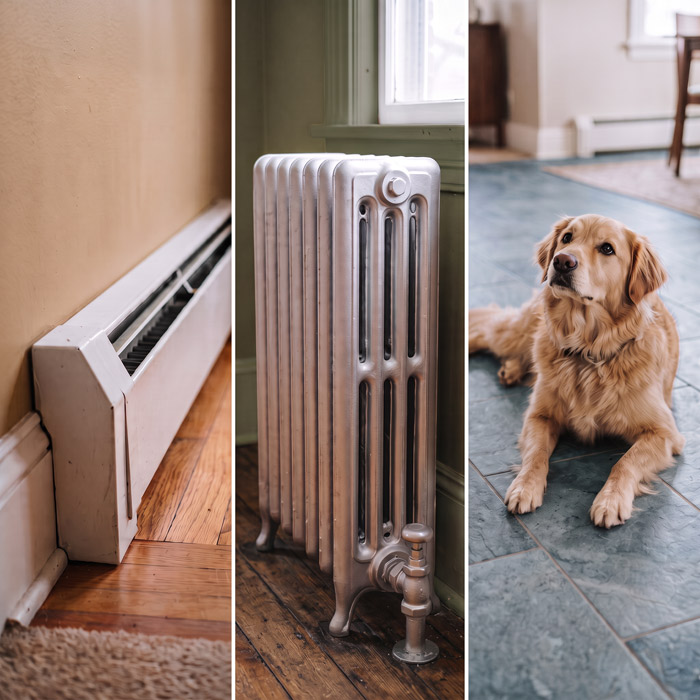
Boiler heating systems use several methods to warm homes, including radiators, baseboards, and radiant floors. Learning about their differences can help homeowners compare heating performance, energy efficiency, installation costs, and maintenance requirements.
Understanding How Boiler Heat Delivery Systems Work
Boilers heat water that travels through pipes to heating equipment throughout a home. Depending on the system, warmth enters rooms through radiators, baseboards, or tubing installed under floors. Some older boilers produce steam, which travels through pipes to specially designed radiators. Hot water systems, also called hydronic heating systems, use circulating water to distribute warmth.
The type of heating equipment connected to a boiler influences how quickly rooms warm up, how evenly temperatures are maintained, and how much energy the system consumes.
Hydronic Baseboard Heating
Hydronic baseboard heating is common in New Jersey homes. These systems use long, narrow heating units installed near the bottom of walls, generally beneath windows or along exterior walls. Hot water passes through metal tubing surrounded by thin fins that transfer warmth into the room.
As air near the heating unit warms, it rises naturally and allows cooler air to enter from below. This circulation distributes heat without requiring a fan.
Heating Performance and Comfort
Baseboard heating works well in bedrooms, living rooms, and other areas requiring consistent temperatures. Proper placement helps counter heat loss near windows and exterior walls, while adequate baseboard length provides sufficient heating capacity.
Many residential systems use separate heating zones, allowing different areas of a home to operate at different temperatures. For example, upstairs bedrooms may have their own thermostat, independent of the main living area.
Hydronic baseboards operate quietly under normal conditions, although occasional clicking sounds may occur as metal components warm and cool.
Traditional fin-tube baseboards generally require relatively high water temperatures. When connected to condensing boilers, these temperature requirements may limit some efficiency benefits during extremely cold weather. High-output baseboards designed for lower water temperatures are also available. Operating expenses depend on boiler efficiency, insulation, thermostat settings, and local fuel prices. Properly sized equipment can maintain comfortable temperatures without unnecessary heating cycles.
Hydronic baseboards are generally easier to install in existing homes than radiant floor systems because the heating units remain accessible along walls. New installations still require suitable piping connections, water circulation, and sufficient baseboard length for each room.
Furniture placement deserves consideration because large pieces of furniture, heavy curtains, and other objects can obstruct airflow. Keeping the heating units unobstructed allows warm air to circulate freely.
Baseboards require periodic cleaning because dust, pet hair, and debris can accumulate between the metal fins. Vacuuming with a soft brush attachment can help maintain airflow and heating performance.
Routine inspections can identify leaks, circulation problems, and damaged components. Hydronic baseboard units can last several decades with proper maintenance, making them a dependable choice for many New Jersey homes.
Traditional Cast Iron Radiators
Cast iron radiators have heated New Jersey homes for generations, particularly in older houses built before forced-air heating became widespread. These heavy, freestanding units contain connected metal sections that warm up as steam or hot water passes through them. Heat enters the room through radiation and natural air circulation.
Heating Performance and Comfort
An advantage of cast iron radiators is their ability to retain heat for an extended period. Once heated, the metal continues releasing warmth after the boiler stops running. This gradual cooling helps maintain comfortable indoor temperatures between heating cycles, particularly during cold winter weather.
However, cast iron radiators take longer to warm up than many newer heating units. They work well in rooms where steady temperatures are preferred, although rapid thermostat adjustments may take some time to produce noticeable changes.
Energy efficiency depends on the boiler, operating temperatures, piping, and insulation. Many older radiator systems were designed for high water temperatures, although some can operate efficiently at lower temperatures when properly sized.
Hot water radiators may have thermostatic valves that allow individual room temperature adjustments. Steam radiators require compatible controls, and their heat output can be harder to regulate precisely.
Cast iron radiators are exceptionally durable, with some remaining operational after a century. Their longevity makes them worth retaining when an older home already has a functioning radiator system.
Installing new cast iron radiators can be expensive because of their weight, piping requirements, and labor costs. They also occupy considerable floor area and may limit furniture placement.
Maintenance includes checking valves, repairing leaks, and removing trapped air from hot water radiators. Steam systems may require additional attention to air vents and drainage. With proper care, existing cast iron radiators can continue providing dependable heating for many years.
Radiant Floor Heating
Radiant floor heating circulates warm water through tubing installed beneath finished floors or embedded within concrete slabs. The tubing warms the floor surface, which gradually transfers heat throughout the room. Radiant floor heating is used in new construction, major renovations, bathrooms, kitchens, basements, and some whole-house heating installations. They provide warmth without visible radiators or baseboard units.
Heating Performance and Comfort
One of the main advantages of radiant floors is their ability to distribute heat across a broad surface. This helps maintain even room temperatures and reduces noticeable cold areas, particularly in rooms with tile or stone flooring.
Radiant floors operate quietly and allow unrestricted furniture arrangements because heating equipment remains concealed beneath the flooring.
However, heating response times vary according to installation methods. Tubing embedded in thick concrete may take several hours to warm up or cool down. Lightweight systems generally respond faster, making them better suited to rooms requiring frequent temperature adjustments.
Hydronic radiant floors typically operate with lower water temperatures than traditional baseboards and many older radiator systems. This makes them particularly compatible with high-efficiency condensing boilers.
Energy consumption depends on insulation, flooring materials, boiler efficiency, and thermostat settings. Proper insulation beneath the tubing helps direct heat upward and reduces unnecessary heat loss.
Flooring compatibility also influences performance. Ceramic tile, porcelain, and stone transfer heat effectively, while thick carpeting and padding can restrict heat movement. Certain wood flooring products may be suitable when installed according to manufacturer recommendations.
Radiant floor heating is generally easiest to install during new construction or major renovations when floors are already being built or replaced. Tubing may be embedded in concrete, installed within special panels, or secured beneath subfloors.
Retrofitting existing homes can be expensive because flooring may need to be removed, raised, or modified. Installation beneath an accessible floor may reduce construction work, depending on the home's design.
Radiant floor tubing can last for decades when properly installed and protected. Routine maintenance generally focuses on the boiler, circulation pumps, valves, and water pressure.
Because tubing is concealed, repairs involving leaks can be complicated and costly. Proper installation and pressure testing are especially important before floors are finished.
Radiant floor heating is an appealing option for homeowners undertaking extensive renovations or new construction, particularly when comfortable floor temperatures and concealed heating equipment are important considerations.
Other Types of Boiler Heat Delivery Systems
Several additional boiler heating methods are available, although they're less commonly used in New Jersey homes than traditional radiators, hydronic baseboards, and radiant floors. These systems generally serve specialized heating needs or supplement existing equipment.
Modern Panel Radiators
Modern panel radiators use flat steel panels containing internal channels that circulate hot water from a boiler. They mount against walls and distribute warmth through radiant heat and natural air circulation. Some models have internal fins that help transfer additional heat into the room.
These radiators generally warm up and cool down faster than traditional cast iron models, allowing quicker temperature adjustments. Many support thermostatic radiator valves for individual room temperature control. Certain models can also operate with lower water temperatures, making them compatible with high-efficiency condensing boilers.
Panel radiators are relatively lightweight and available in several sizes, including low-profile models designed for installation along baseboards. Maintenance includes cleaning exterior surfaces, checking for leaks, and removing trapped air when necessary. Although common in Europe, modern panel radiators are less frequently installed in New Jersey homes.
Hydronic Fan Coil and Kickspace Heating
Hydronic fan coil units use boiler-heated water to warm a metal coil, while a small electric fan moves air across it. This provides relatively quick heating and allows warm air to circulate throughout the room.
Kickspace heaters are compact fan-assisted units installed beneath kitchen cabinets, bathroom vanities, or other built-in fixtures. They're useful in areas where traditional baseboards would interfere with cabinets or furniture.
These units require electricity for their fans and produce some operating noise. Maintenance includes cleaning coils, checking fans, and inspecting water connections. Installation costs depend on the unit size, electrical requirements, and piping access.
Hydronic Air Handler Systems
Hydronic air handlers allow boilers to heat rooms through ductwork. Hot water circulates through a heating coil inside the air handler, while a blower distributes warmed air through ducts.
These systems may be useful in homes that already have ductwork for air conditioning. Heating performance depends on blower capacity, duct condition, water temperature, and heating coil size.
Installation requires suitable ductwork, electrical connections, and piping. Maintenance includes cleaning or replacing filters, inspecting blowers, and checking water connections. Although less common in New Jersey residential boiler installations, hydronic air handlers may be suitable for certain combination heating and cooling arrangements.
Radiant Wall and Ceiling Heating
Hydronic radiant wall and ceiling systems circulate warm water through tubing installed behind finished surfaces or within specially designed heating panels. Heated surfaces radiate warmth into rooms without requiring visible radiators or baseboards.
These systems can operate quietly and may use relatively low water temperatures. However, installation can be expensive because walls or ceilings need modifications to accommodate the tubing.
Concealed piping also makes leak repairs difficult, and care is necessary when installing shelves or fixtures near hidden tubing. Radiant wall and ceiling heating remains very uncommon in New Jersey residential properties and is generally associated with specialized construction projects.
Boiler heating systems offer several ways to keep New Jersey homes comfortable throughout the colder months. Traditional cast iron radiators provide lasting warmth, modern panel radiators offer responsive temperature control, hydronic baseboards provide dependable room heating, and radiant floors distribute warmth across broad surfaces. Each method has different advantages, limitations, installation requirements, and long-term costs. Understanding these characteristics can help homeowners make informed heating decisions when renovating, replacing aging equipment, or planning new construction. The most suitable choice depends on the home's construction, existing boiler, heating requirements, and budget.