



What Causes Low Water Pressure Throughout a Home?
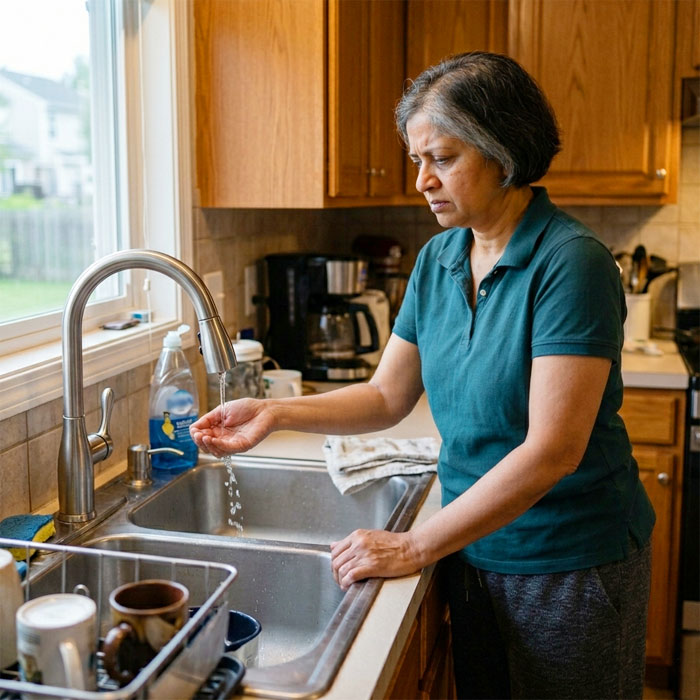
Low water pressure throughout a home can come from plumbing problems, well system trouble, clogged water treatment equipment, hidden leaks, municipal supply issues, or restrictions affecting the home's main water supply.
Low water pressure can make daily routines frustrating. Showers feel weak, sinks take longer to fill, washing machines run slower, and outdoor water use becomes less effective. Some water pressure problems appear suddenly, while others build gradually over time.
Whole-Home Low Water Pressure vs. Fixture-Specific Problems
Before looking at larger plumbing or equipment issues, it helps to separate whole-home low pressure from problems tied to one or two fixtures.
If pressure is weak at only one sink, shower, or appliance, the cause is usually local to that fixture. A clogged faucet aerator, mineral buildup inside a showerhead, a worn cartridge, or a partly closed shutoff valve may restrict water flow in that specific area. In some cases, the pipe feeding that fixture may contain buildup or sediment.
Hot-water-only pressure problems also fall into this category. If cold water pressure feels normal but hot water pressure feels weak, the issue may involve the water heater, hot water piping, a mixing valve, or sediment buildup inside the heater itself.
A true whole-house pressure problem usually affects all fixtures throughout the property. Showers, sinks, toilets, hose bibs, and appliances may all show reduced pressure at the same time. That usually points toward a larger restriction or supply issue somewhere before water reaches the home's equipment or individual fixtures.
Municipal Water Supply Problems
For homes connected to city water, low pressure sometimes starts outside the property.
Municipal water systems occasionally undergo repairs, maintenance, hydrant flushing, or nearby construction work. During these situations, water pressure in surrounding homes may temporarily drop. Some neighborhoods also see pressure fluctuations during high-demand periods, particularly early mornings, evenings, or summer lawn watering season when many homes are drawing water simultaneously.
Pressure changes connected to municipal supply issues sometimes improve on their own after repairs or maintenance work finishes. If the problem continues for several days, the water supplier may need to inspect the service connection or nearby water main.
Aging Municipal Water Supply Infrastructure
In older neighborhoods, aging municipal infrastructure can contribute to pressure loss as well. Water mains may contain buildup, corrosion, or partial restrictions that reduce flow before water even reaches individual homes.
Issue with Water Meter
A restriction near the water meter can also lower pressure throughout the house. Debris near the meter connection, a damaged valve, or a partly closed valve near the meter can reduce incoming flow. Since every fixture depends on that main supply line, even a modest restriction there can become noticeable throughout the home.
Problems With the Main Water Service Line
The main water service line carries water from the municipal supply or private well into the home. Since all household water passes through this pipe, restrictions or damage here can weaken pressure everywhere.
Underground service lines can become damaged in several ways. Soil movement, freezing conditions, root intrusion, age, corrosion, accidental excavation damage, or pipe collapse may partially restrict flow. Some older lines gradually collect mineral buildup along the inside walls of the pipe, slowly reducing water movement over time.
A service line problem may start slowly. Water pressure may seem slightly weaker than it used to be, especially when several fixtures are running together. As the restriction grows worse, the pressure drop becomes more noticeable throughout the house.
Leaks in the underground service line can also reduce available pressure. Homeowners might even notice wet ground, muddy patches, unexplained increases in water bills, or the sound of running water when fixtures are turned off.
During cold weather, partially frozen underground lines can restrict flow before the pipe freezes completely. Homeowners could notice pressure changes during severe winter conditions long before a total blockage occurs.
Because service lines are buried underground, diagnosing these problems may require pressure testing, leak detection equipment, or inspection by a plumbing contractor.
Homes using private wells depend on several components working together properly. When one part of the system develops a problem, pressure throughout the house can suffer.
A weak or failing well pump is one of the most common causes. Pumps wear down with age, mechanical parts weaken, electrical issues develop, and water output gradually declines.
Pressure tanks can also contribute to inconsistent or weak pressure. A pressure tank contains an internal air charge that helps maintain steady water pressure between pump cycles. If the bladder inside the tank fails or the air charge becomes incorrect, pressure may fluctuate throughout the house.
Pressure switches control when the well pump activates and shuts off. If the switch becomes clogged, worn, or improperly adjusted, the system may operate outside its normal pressure settings.
Groundwater conditions can play a role too. During drought conditions, seasonal groundwater shifts, or periods of heavy water use, some wells struggle to supply enough water volume for household demand.
Pump sizing also matters. A home that added bathrooms, irrigation, water treatment systems, or additional occupants over the years may outgrow the original well pump capacity.
Well systems require a different type of diagnosis than municipal water systems. Pressure gauges, tank performance, pump amperage, water levels, and switch settings all need evaluation when troubleshooting whole-home pressure issues.
Plumbing System Restrictions Inside the Home
Many whole-home pressure problems originate somewhere inside the home's plumbing system itself.
Closed Main Shutoff Valve
One of the simplest causes is a partly closed main shutoff valve. This happens more frequently than many homeowners realize. After plumbing repairs, inspections, maintenance work, winterizing, or appliance installation, a valve may not get reopened completely. Even a slightly restricted valve can reduce pressure across the entire house.
Issue with Pressure Reducing Valve
Homes connected to municipal water sometimes have a pressure reducing valve, also called a pressure regulator. This device lowers incoming city pressure to a safer level for the home's plumbing system. When the regulator begins to fail, pressure may become weak, inconsistent, or unstable. Some regulators stick internally or become clogged with mineral deposits, limiting water flow throughout the property.
Backflow Preventer Problem
Some homes also have backflow preventers installed near the water supply entry point. These devices help protect the water system from contamination, but they can develop internal restrictions over time. Mineral buildup, wear, or mechanical failure inside the device may reduce pressure throughout the house.
Old or Corroded Pipes
Older plumbing systems can also restrict pressure due to corrosion and buildup inside the pipes. Galvanized steel pipes are especially known for this issue. Over many years, rust and mineral deposits collect along the pipe walls and narrow the opening where water flows. Eventually, water movement slows enough that fixtures throughout the house begin losing pressure.
Undersized Plumbing System
In some homes, the plumbing system itself may simply be undersized for current household demand. A house built decades ago may now support additional bathrooms, water treatment equipment, irrigation systems, or newer appliances that require higher water flow. The original piping may struggle to keep up with those added demands.
Plumbing Leaks
Hidden plumbing leaks inside walls, crawlspaces, basements, or slab foundations can also reduce pressure throughout the home. Small leaks may continue unnoticed for a long time. Larger leaks tend to show warning signs such as damp drywall, musty smells, stained ceilings, wet flooring, unusually high water bills, or water sounds behind walls.
Water Pressure Problems After Plumbing Work
Pressure problems that begin shortly after plumbing work deserve extra attention. Repairs, renovations, pipe replacements, or appliance installations can disturb sediment inside the plumbing system. Debris may partially clog valves or restrict water flow. In other cases, a valve may simply remain partly closed after the work is finished.
Water Treatment Equipment Issues
Whole-home water treatment equipment can become a major source of low water pressure when maintenance falls behind or equipment begins malfunctioning. Since the equipment sits directly along the main water supply line, restrictions there tend to affect nearly every fixture in the house.
Clogged Filters
Sediment filters gradually collect dirt, sand, rust particles, and debris from the water supply. As the filter becomes clogged, water has a harder time moving through it. Pressure may slowly weaken across the house until the filter gets replaced.
Carbon filters, iron filters, neutralizers, and specialty filtration systems can develop similar restrictions. Some systems use media beds that compact over time or become loaded with contaminants, reducing water flow throughout the plumbing system.
Issues with Water Softener System
Water softeners are another common source of pressure loss. A softener may become clogged internally, develop resin problems, remain stuck in regeneration mode, or develop bypass valve issues that restrict water movement. In some situations, the softener itself still functions, but its internal components slow water flow enough to weaken pressure throughout the house.
Undersized Water Treatment System
Equipment sizing also matters. A treatment system designed for a smaller home may struggle once household water demand increases. Additional bathrooms, larger families, irrigation systems, or higher daily water use can place more demand on the equipment than it was built to handle.
Poor Water Treatment System Layout
Poor system layout may contribute to pressure problems as well. Multiple filters, valves, treatment tanks, and restrictive fittings installed in sequence can gradually reduce flow through the plumbing system. Each individual restriction may seem minor, but together they can noticeably weaken pressure across the home.
Household Water Demand Can Lower Pressure
Sometimes the plumbing system itself is functioning normally, but household water demand temporarily exceeds what the system can comfortably supply.
Running multiple showers, washing machines, dishwashers, irrigation systems, outdoor hoses, or pool filling equipment at the same time can pull large amounts of water through the system. Homes with older plumbing, smaller service lines, or lower-yield wells may notice significant pressure drops during heavy water use.
Outdoor watering can place especially high demand on the system. Lawn sprinklers, irrigation zones, livestock watering systems, and long-running garden hoses may weaken indoor pressure while operating.
In some homes, pressure problems become noticeable only after household needs increase. A home addition, extra bathroom, larger family, irrigation installation, or additional appliances may expose limitations that were previously unnoticed.
This type of pressure issue usually follows a pattern. Pressure may seem normal during lighter water use but weaken noticeably during busier periods throughout the day.
How Homeowners Can Narrow Down the Cause of Low Water Pressure
Whole-home low water pressure can have many possible causes, but a few simple observations may help narrow down the source.
Checking multiple fixtures throughout the house helps confirm that the issue affects the entire plumbing system rather than a single fixture. Comparing hot and cold water pressure may also reveal whether the problem is tied specifically to the water heater or hot water piping.
If neighbors on municipal water are experiencing similar pressure problems, the issue may involve the city water supply. Homes using private wells can check the pressure gauge near the pressure tank to see how the system is operating.
Looking for wet areas, unexplained water use, dripping sounds, or sudden spikes in water bills may point toward hidden leaks. Homeowners can also check that main shutoff valves are fully open and confirm that water treatment filters are not overdue for replacement.
Pressure changes connected to certain times of day may suggest demand-related issues, irrigation usage, or municipal supply fluctuations.
While these observations may narrow the possibilities, many pressure problems still require professional testing and inspection before the exact cause becomes clear.
When to Call a Professional About Low Water Pressure
Some low water pressure problems are relatively simple, while others involve underground lines, well systems, municipal supply equipment, or hidden plumbing leaks. Pressure problems that appear suddenly, continue getting worse, or involve signs of leaks, pump trouble, dirty water, or unusual plumbing noises deserve prompt attention. Even when the cause turns out to be minor, identifying the source early may help prevent additional plumbing damage later. The type of contractor depends largely on where the problem originates.
Plumbing Contractor
Licensed plumbers typically handle issues involving interior plumbing systems, pressure regulators, shutoff valves, hidden leaks, service lines, and backflow preventers. Plumbers also diagnose pressure problems tied to aging pipes, municipal water connections, and restrictions inside the home's plumbing system.
Well Contractor
Well contractors handle private well system problems such as failing well pumps, pressure tanks, pressure switches, groundwater supply issues, and well yield concerns. These systems require specialized tools and testing methods that differ from standard plumbing work.
Water Treatment Specialist
Water treatment specialists usually handle clogged filters, water softener restrictions, treatment equipment sizing problems, and filtration system maintenance. If pressure drops noticeably after passing through treatment equipment, a water treatment contractor may need to inspect the system.
Municipal water departments may become involved when pressure problems stem from hydrant flushing, nearby water main work, neighborhood supply issues, or meter-related restrictions on the city side of the system.
Whole-home low water pressure usually points toward a larger issue somewhere along the home's water supply system. Municipal supply problems, underground service line damage, aging plumbing, water treatment restrictions, hidden leaks, well system trouble, and heavy household demand can all weaken water flow throughout the property. Finding the source starts with determining where the restriction begins and how the home's plumbing system is operating as a whole. A careful inspection by the appropriate contractor can usually identify the problem and help restore normal water pressure.