



What Causes Odors from Drains and Plumbing
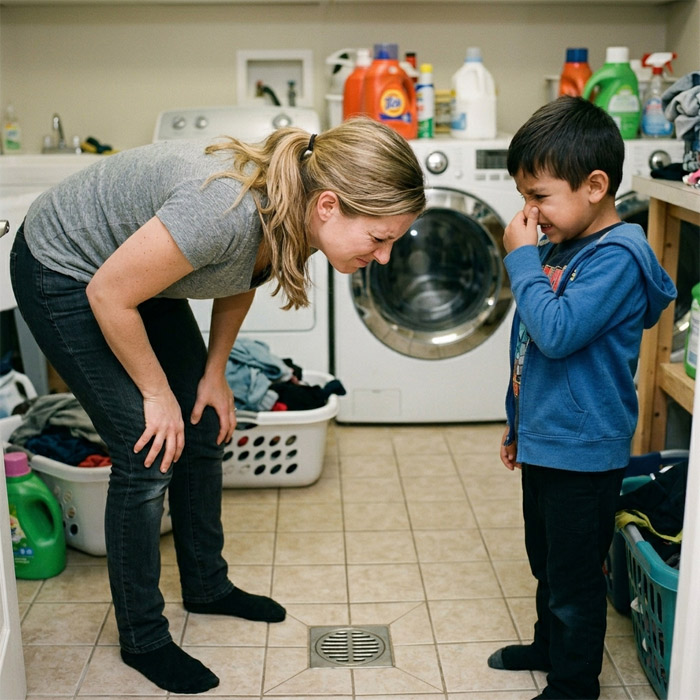
Odors coming from drains and plumbing fixtures can signal anything from simple maintenance issues to hidden plumbing problems, including dry traps, drain buildup, sewer gas leaks, vent damage, and moisture-related deterioration.
Why Drain and Plumbing Odors Shouldn't Be Ignored
Few household problems are as frustrating as a foul smell that seems to come and go without warning. A bathroom sink may smell fine for weeks and then suddenly produce a strong sewer-like odor. Sometimes the source is obvious. Other times, the smell lingers despite repeated cleaning.
Drain and plumbing odors develop for a reason. Plumbing systems are designed to carry wastewater away from the home while preventing sewer gases from entering living areas. When part of that system isn't working as intended, odors can appear.
Some causes are simple and easy to address. Others may point to hidden leaks, damaged piping, blocked vents, or deteriorated plumbing components. Understanding the common sources of drain odors can help homeowners identify potential problems before they become larger repairs.
Dry or Empty P-Traps
One of the most common causes of drain odors is a dry P-trap. A P-trap is the curved section of pipe located beneath sinks, tubs, showers, floor drains, and many other plumbing fixtures. That curved shape holds a small amount of water at all times. The water serves as a barrier that blocks sewer gases from traveling back into the home.
When a fixture goes unused for an extended period, the water inside the trap can evaporate. Once the water level drops enough, sewer gases can pass through the drain opening and enter the room. This situation commonly occurs in guest bathrooms, basement floor drains, utility sinks, seasonal homes, and unused showers or tubs.
A dry trap can produce a strong raw sewer gas smell that seems to appear suddenly. Many people describe it as a sewage smell, rotten eggs, or a foul odor coming directly from the drain opening.
In many cases, running water through the fixture for a minute or two restores the water seal and removes the odor.
Buildup Inside Drains
Many drain odors originate inside the drain itself. Over time, materials such as soap residue, hair, grease, toothpaste, food particles, skin oils, and other organic matter collect along the interior walls of drain pipes. Bacteria feed on these materials and gradually form a slimy layer known as biofilm. As the material breaks down, it can release unpleasant odors that resemble mildew, sour food, decay, or sewage.
Bathroom sinks and shower drains frequently develop buildup from soap and personal care products. Kitchen drains are especially prone to food-related odors because small food particles can become trapped inside the piping.
Buildup inside drains typically smells sour, musty, stale, or like decaying organic matter. Bathroom drains may smell like dirty hair and soap residue. Kitchen drains may smell like old food. The smell may become stronger during warm weather because higher temperatures encourage bacterial activity.
Running water can temporarily reduce the odor, although the smell usually returns if the buildup remains in place. Routine drain cleaning, however, helps remove accumulated debris before odors become a recurring problem.
Clogged or Slow Drains
A slow drain can contribute to unpleasant smells long before a complete blockage develops. When water drains slowly, waste materials tend to remain inside the pipe longer. Food particles, soap residue, grease, hair, and sediment can collect in these areas and begin decomposing.
Small amounts of standing water may also remain trapped within partially clogged sections of pipe. Combined with organic material, this environment allows odor-producing bacteria to grow.
Homeowners sometimes notice that a sink smells strongest immediately after water drains away. That's because air passing through the pipe can carry odors from the clogged area upward through the drain opening. It often produces a stronger version of the drain buildup smell. It can resemble rotting food, stagnant water, or decomposing organic material trapped in the pipe.
Slow drainage, recurring backups, gurgling sounds, and unpleasant smells frequently occur together. Addressing the clog, including drain cleaning, can improve all of these symptoms at the same time.
Sewer Gas Leaks from Plumbing Fixtures and Drain Lines
Plumbing systems depend on airtight connections. When those seals weaken or become damaged, sewer gases can escape.
One common source is a toilet with a worn wax ring. The wax ring forms a seal between the toilet and the drain pipe below. If the seal deteriorates, sewer gases may leak around the base of the toilet.
Loose pipe joints, cracked drain lines, damaged fittings, and aging plumbing materials can also allow gases to escape into walls, floors, crawl spaces, and living areas.
Sewer gas contains a mixture of gases produced by decomposing waste. The smell is usually described as sulfur-like, rotten egg-like, or sewage-like. The intensity can vary depending on the location and size of the leak. And identifying the exact source can be challenging because sewer gases can travel through wall cavities and emerge in a completely different area of the home.
Some leaks remain hidden for long periods because they occur behind walls or beneath flooring. A persistent odor that returns despite cleaning efforts may indicate a plumbing issue that requires inspection.
Plumbing Vent Problems
Drain systems rely on vent pipes to operate properly. Vent pipes allow air to enter the plumbing system and help maintain balanced pressure throughout the drain network. Most vent pipes extend through the roof and connect to various drain lines throughout the home. When a vent becomes blocked or damaged, pressure changes inside the plumbing system can interfere with normal drainage. Issues related to plumbing vents can affect multiple fixtures throughout the home because all plumbing components work together as part of a connected system.
Leaves, debris, bird nests, and other obstructions can restrict airflow within vent pipes. During colder months in some regions, ice accumulation can also contribute to vent blockages.
As pressure changes occur, water can be pulled from nearby traps. Once enough water leaves the trap, sewer gases gain a path into the home.
Several warning signs may accompany vent problems, including gurgling drains, slow drainage, bubbling toilets, and water level fluctuations in fixtures.
The smell itself is usually that of sewer gas that may appear intermittently, especially when toilets flush or drains are used.
Rotted Vent Piping Due to Humidity and Moisture
Vent piping can deteriorate over time, especially in areas exposed to prolonged moisture.
Older homes may contain metal vent pipes that gradually corrode due to years of humidity, condensation, and temperature fluctuations. Attics are particularly vulnerable because warm indoor air rises into the vent system and can produce condensation inside and around the piping.
As corrosion progresses, small openings may develop in the vent pipe. These openings allow sewer gases to escape into attic areas, wall cavities, and living spaces.
This generally smells like sewer gas escaping inside walls, attics, or ceilings. Sometimes homeowners notice a mix of sewage odor and a damp, musty smell if moisture is also present. The odor may seem strongest near ceilings, upper floors, closets, or rooms located near vent pathways. Since the damage may remain hidden behind walls, the source can be difficult to locate without a detailed inspection.
High humidity levels can accelerate deterioration in certain environments. Over many years, even small amounts of moisture exposure can weaken vent piping materials.
Homes with aging plumbing systems may benefit from periodic inspections of accessible vent components, particularly if unexplained sewer odors persist despite cleaning and maintenance efforts.
Garbage Disposal Odors
Garbage disposals are another common source of unpleasant smells. Small food particles can become trapped inside the disposal chamber, beneath splash guards, and along connected drain pipes. As these particles decompose, bacteria begin producing strong odors.
Certain foods are especially likely to leave residue behind. Grease, starchy foods, coffee grounds, vegetable scraps, and protein-rich foods can all contribute to odor buildup.
Garbage disposal odors smell like rotting food, spoiled vegetables, sour leftovers, grease, or old garbage. The odor may become stronger when the disposal runs.
Many homeowners focus on the grinding chamber while overlooking the rubber splash guard. Food residue frequently collects on the underside of this component, making it a frequent source of lingering smells. Regular cleaning helps remove accumulated material before odors become severe. A disposal that smells bad despite cleaning may have buildup deeper within the connected plumbing system.
Laundry Areas and Utility Drains
Laundry rooms can also develop plumbing odors. Washing machine standpipes, utility sinks, floor drains, and nearby drain connections may all contribute to unpleasant smells under certain conditions.
Lint, detergent residue, dirt, and organic material washed from clothing can accumulate inside drain pipes over time. These materials can support bacterial growth and odor formation.
Floor drains located in basements or utility rooms are particularly susceptible to drying out. Since they may receive little water during daily use, the trap seal can gradually evaporate.
Some homeowners notice odors shortly after running the washing machine. In these cases, the movement of water through the plumbing system may temporarily push trapped odors into the room.
Laundry area odors are musty, damp, moldy, or like stagnant water. If the floor drain trap is dry, the smell may shift to a sewer gas odor. These smells are frequently mistaken for appliance problems when the actual source originates within the drainage system.
Water Heater and Water Quality Issues
Some odors that appear to come from drains actually originate from the water supply itself. A common example is the sulfur or "rotten egg" smell associated with some water heaters and well water systems. In some situations, naturally occurring sulfur compounds in the water produce the odor. In others, bacteria inside the water heater (or a deteriorated anode rod) contribute to the smell through chemical reactions occurring within the tank.
A simple way to narrow down the source is to determine where the odor appears:
- If the smell occurs primarily when hot water runs, the water heater may be involved.
- If the odor comes directly from a drain opening, the drainage system is a more likely source.
- If you have well water and the odor occurs when water is running, especially when the faucet is first turned on, it could be minerals, bacteria, or naturally occurring compounds in the water. Water treatment can reduce or remove many well water odors.
Hidden Leaks, Moisture, and Mold Around Plumbing Fixtures
Small leaks beneath sinks, around toilets, behind walls, or beneath tubs can introduce moisture into surrounding materials. Over time, damp conditions can encourage mold growth and produce musty odors. Wood, drywall, insulation, and flooring materials can absorb moisture and develop persistent smells that spread throughout nearby rooms.
These odors are sometimes confused with sewer gas because both can seem strongest near plumbing fixtures. The difference is that moisture-related odors usually have an earthy, musty, or damp smell rather than a sewage-like odor.
Hidden leaks can continue for long periods before visible signs appear. Staining, discoloration, peeling paint, soft flooring, and persistent musty smells may indicate moisture is present behind finished surfaces. Locating and repairing the leak helps remove the source of the odor while also protecting the home's structural materials.
When to Call a Plumber
Some plumbing odors can be resolved through routine maintenance. Others require professional attention.
Persistent sewer smells, recurring drain odors, multiple affected fixtures, gurgling sounds, slow drainage, and signs of hidden leaks all point toward conditions that may require a more detailed evaluation.
A plumber can inspect drain lines, test vent systems, identify hidden leaks, locate damaged piping, and determine if sewer gases are entering the home through a specific plumbing defect. Addressing the source early can help prevent larger repairs and restore proper operation throughout the plumbing system.
Odors from drains and plumbing fixtures can stem from several different causes, including dry traps, drain buildup, partial clogs, sewer gas leaks, vent problems, deteriorated vent piping, garbage disposal residue, water quality issues, and hidden moisture. Each source produces its own clues, and identifying those clues helps narrow down the problem. When odors persist or spread throughout multiple areas of the home, a professional plumbing inspection can identify the source and help restore a cleaner, fresher indoor environment.