



Spring Cleaning for Your Heating System
Spring cleaning for your heating system helps remove dust, reduce off-season wear, and keep equipment in good condition. This guide covers steps homeowners can take after winter to prepare their system for months of inactivity.
It's easy to forget about your heating system once the weather warms up and you stop using it, but spring is actually a great time to give it a little attention. A bit of light cleaning and basic maintenance now can help clear out dust and buildup from the winter months, which can improve efficiency and reduce the chances of issues later. Taking care of it in the offseason makes it far more likely your system will run smoothly when you need it again in the fall.
Why Spring Cleaning of Your Heating System is Important
Once heating season ends, the system shifts from daily use to sitting idle for months. Dust that built up during winter can settle inside the unit, and any leftover debris may sit untouched until fall. Small issues from heavy use can also go unnoticed if they aren't checked soon after the season ends.
Spring cleanup helps reset the system after months of operation. It keeps internal parts cleaner, reduces the chance of corrosion, and helps prevent problems from getting worse while the system sits unused. It also makes the fall startup smoother, since the system isn't dealing with months of buildup.
There's also a practical benefit. It's easier to remember how the system performed while it's still fresh. Any odd sounds, uneven heating, or performance issues are easier to recall now than several months later.
Replace the Furnace Filter After Final Use
The air filter works hard through the winter. By the time spring arrives, it's usually filled with dust, dirt, and debris pulled from the air during months of heating.
Leaving that dirty filter in place during the off-season allows dust to sit inside the system. Over time, that buildup can settle deeper into components and affect performance later on. Replacing it right after the last use keeps the system cleaner while it sits idle.
A fresh air filter also helps when the system is turned back on in the fall. Air can move more freely right from the start, and there's less chance of dust being pushed into the home during the first few cycles.
This is a simple step, but it sets a clean baseline for the system during its downtime.
Clean Around the Furnace or Boiler
The area around the heating unit tends to collect dust, especially in basements, closets, or utility rooms. During the heating season, that dust can be pulled into the system. When the system shuts down, it can settle and remain there for months.
Spring is a good time to clean the surrounding area thoroughly. Dust, dirt, and loose debris should be removed. Any boxes, storage bins, or items placed too close to the unit should be moved away. Keeping this area clear helps reduce the amount of debris that can enter the system when it's used again. It also improves access for any maintenance or inspection work.
A clean area also reduces the chance of moisture getting trapped around the unit, which can lead to rust over time.
Wipe Down Exterior Surfaces of the Equipment
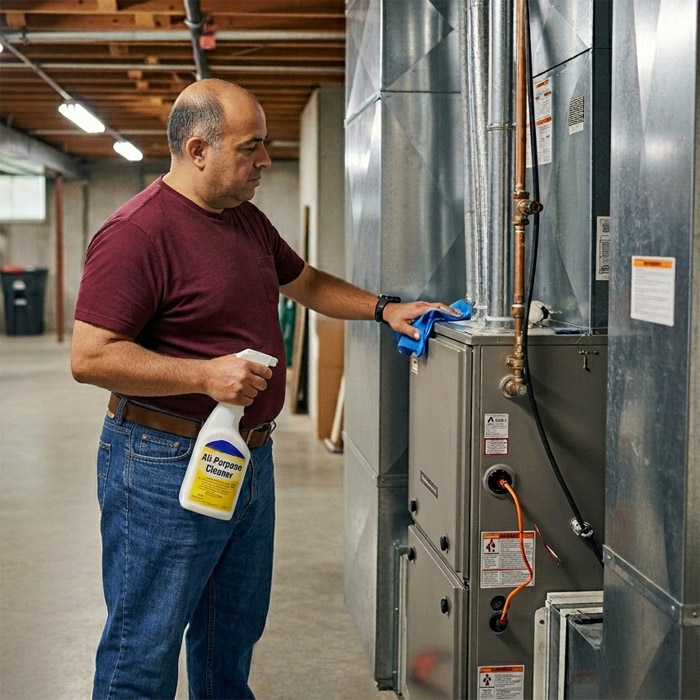
Dust doesn't just settle around the unit. It also collects on the outer panels of the furnace or boiler. Over time, that dust can find its way into vents or openings in the system. Wiping down the exterior surfaces in spring helps remove that layer before it sits for months. This step doesn't involve opening the unit or handling internal parts. It's just a surface-level cleanup that helps reduce dust buildup over time. A simple cloth or light cleaning solution is usually enough. This also makes it easier to spot any visible issues, like loose panels or signs of wear, that might otherwise go unnoticed under a layer of dust.
Adjust or Shut Down the Heating System
Once the system is no longer needed, it can be set to an off or standby mode, depending on the type of equipment. This prevents it from running unnecessarily during warmer months.
Some systems may still run briefly under certain conditions, but the goal is to reduce activity as much as possible. Checking the thermostat settings helps confirm that it's no longer calling for heat.
In some setups, the gas supply can be turned off during the off-season. This depends on the system and should follow manufacturer guidelines. If there's any uncertainty, it's best to leave it as is or have a heating contractor handle it.
Inspect for Wear and Tear After Winter
Winter use can put steady demand on heating equipment. Once the season ends, it's a good time to look for signs of wear that may have developed. This doesn't require deep inspection. A visual check can go a long way. Look for rust spots, loose screws, disconnected panels, or anything that seems out of place.
If anything looks different from earlier in the season, it's worth making a note of it. Even small changes can point to developing issues that should be addressed before the next heating season.
Clean and Reset Vents and Registers
Vents and registers collect dust throughout the heating season. When the system shuts down, that dust can sit and settle for months. Cleaning them in spring removes that buildup and prevents it from lingering in the system. A quick wipe or vacuum is usually enough. This step also helps reduce dust being pushed into the home during the first heating cycle in the fall.
It's also a good time to check that vents are open and not blocked by furniture or rugs. Even though the heating system won't be in use, keeping vents clear supports better airflow when the system is turned back on.
Light Cleaning of the Blower Area
For systems where the blower compartment is easy to access, a light cleaning can help remove dust that built up during winter use. Removing dust now helps keep airflow more consistent when the system is used again. It also reduces the chance of buildup affecting moving parts.
This doesn't involve taking apart the system. It's more about removing visible dust that could settle and harden over time. If access is limited or unclear, it's best to leave this step to a professional.
Check for Moisture or Damp Conditions
Spring brings higher humidity in many areas, which can affect heating equipment during its off-season. Moisture around the unit can lead to rust or other damage if it sits for too long. A quick check of the surrounding area can help spot any damp conditions. Look for water on the floor, condensation, or signs of past moisture.
If moisture is present, it should be addressed early. That might involve improving ventilation in the area or fixing any small leaks nearby. Keeping the area dry helps protect the system while it's not in use.
Make Note of Any Issues to Address Before Fall
It's easy to forget how the system performed once several months have passed. Spring is the best time to write down anything that seemed off during winter. This could include unusual sounds, uneven heating, or times when the system didn't respond as expected. Even small details can be helpful later.
Having a simple list makes it easier to address these issues before the next heating season. It also gives heating technicians a clearer picture if professional service is scheduled.
Schedule Off-Season Maintenance
Spring is a good time to schedule professional maintenance for the heating system. Demand is lower, which means more flexibility with appointments.
A technician can check internal components, clean parts that aren't easily accessible, and confirm that everything is in good condition. This helps catch problems that may not be visible during a basic inspection.
Handling this work in the off-season also means there's time to address any repairs without pressure. When fall arrives, the system is already in good condition and ready to run.
Spring cleanup for heating systems focuses on cleaning, shutting down, and preserving equipment after months of use. These steps help keep the system in good condition and reduce issues when heating season returns.