



How Landscaping Around Your Home Affects Air Conditioning Efficiency
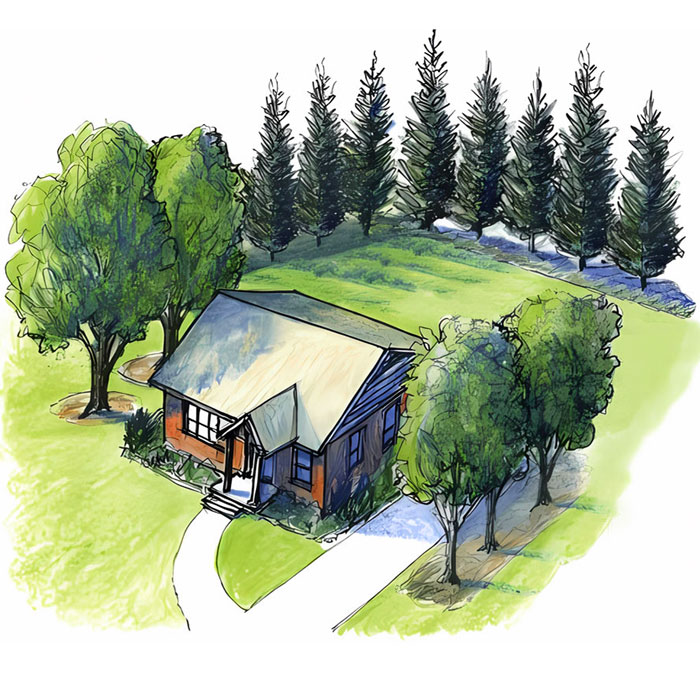
Landscaping around a home can influence air conditioning efficiency by changing shade, airflow, heat buildup, drainage, and temperatures near the outdoor unit. Smart landscaping choices may help reduce strain on cooling equipment and lower energy use.
Why Landscaping Plays a Role in Air Conditioning Efficiency
Many homeowners think about air conditioning efficiency in terms of the equipment itself. Filters, refrigerant levels, thermostats, insulation, and ductwork usually get the most attention. Landscaping, however, also plays a part in how hard an air conditioning system has to work during warm weather.
The outdoor environment around a house changes how much heat enters the home and how easily the AC system can release heat outside. Trees, shrubs, patios, mulch beds, fencing, and drainage conditions all contribute to the temperature and airflow around the property. Some landscaping choices can help the cooling system run with less strain, while others can trap heat, block airflow, or lead to maintenance problems over time.
A home that absorbs less heat during the day generally stays cooler longer. That can reduce how frequently the AC system cycles on and off. Small improvements around the property may not completely change cooling costs on their own, but several good choices working together can make a noticeable difference.
One of the biggest ways landscaping influences cooling efficiency is through shade. Direct sunlight heats roofs, siding, windows, patios, and nearby surfaces throughout the day. As those materials warm up, heat gradually moves into the house.
Trees placed around the property can help reduce this heat gain. Areas exposed to strong afternoon sun usually benefit the most from shade because late-day sunlight tends to be hotter and more intense. West-facing walls and windows are common trouble spots during summer.
There are limits, though. Trees planted too close to the home can cause other concerns, including root problems, heavy debris, excess moisture near the foundation, or roof damage from overhanging limbs. Landscaping works best when shade and clearance are balanced carefully.
Shrubs and taller plantings near exterior walls may also help reduce surface temperatures. The effect is more modest compared to large shade trees, but vegetation can still help limit how much heat builds around the home.
Roof shading can also help attic temperatures stay lower. When the attic becomes extremely hot, heat slowly transfers downward into living areas, causing the AC system to run longer. Shade from mature trees may reduce some of that heat buildup during peak summer conditions.
Windows are one of the main entry points for unwanted heat during summer. Sunlight passing through glass can quickly warm interior rooms, especially in the afternoon. Rooms with large west-facing windows sometimes become noticeably hotter than the rest of the house.
Strategic landscaping may help reduce this solar heat gain. Shade trees positioned near sunny windows can help block part of the direct sunlight before it reaches the glass. Vines on trellises, pergolas, and taller shrubs may also provide some relief around window areas.
Deciduous trees (those that lose their leaves in the winter) are commonly used for this purpose because they provide shade during summer while allowing sunlight through after leaves drop in colder months. That seasonal balance can help with indoor comfort throughout the year.
Landscaping alone won't solve every heat problem around windows. Older windows, thin curtains, and poor insulation can still allow substantial heat indoors. Still, reducing direct sunlight around major window areas may help the air conditioner maintain indoor temperatures with less effort during hot weather.
The landscaping and hardscaping materials surrounding a home can influence outdoor temperatures more than many people realize. Hard surfaces absorb sunlight throughout the day and gradually release heat back into the surrounding area. Patios, walkways, and stone beds are practical features for many properties. The goal is simply to avoid concentrating large heat-retaining surfaces directly around the home's hottest areas or next to the outdoor cooling equipment.
Concrete patios, driveways, retaining walls, brick walkways, gravel beds, and dark stone surfaces can all become extremely hot during summer afternoons. That stored heat may raise temperatures around nearby walls, windows, and even the outdoor AC unit itself.
Large sections of dark hardscaping (such as black mulch, dark gravel, and blacktop asphalt) near the condenser can be especially problematic because the unit already works hardest during the hottest part of the day. Extra heat surrounding the equipment can reduce cooling efficiency and increase operating strain.
Ground cover choices may help moderate some of this heat buildup. Grass tends to stay cooler than dark stone or asphalt because moisture within the soil and vegetation cools the surrounding area naturally. Mulch can also remain somewhat cooler than bare concrete or gravel in certain conditions, though very dark mulch still absorbs heat.
Shading the Outdoor Air Conditioning Unit Properly
The outdoor condenser unit removes heat from inside the house and releases it outdoors. Since the system depends on moving heat into outside air, surrounding temperatures and airflow matter quite a bit.
Some shade around the condenser may help reduce operating strain during hot afternoons. A unit sitting in direct sun all day can become extremely hot. Partial shading from nearby trees or structures may help moderate temperatures around the equipment.
A common mistake is surrounding the condenser with thick bushes to hide it visually. While the setup may look cleaner from a landscaping standpoint, the trapped heat can force the system to work harder and may shorten equipment life over time. Most HVAC manufacturers recommend several feet of open clearance around the condenser. The exact clearance varies depending on the unit, but technicians generally need room for airflow and maintenance access from multiple sides.
Airflow is far more important than shade alone. The condenser fan needs open air around the unit to release heat properly. Dense shrubs, fencing placed too close, or decorative coverings can trap hot air and reduce efficiency. Light shade above the unit can be helpful as long as airflow remains unrestricted. Heavy enclosure around the sides usually causes more problems than benefits.
Airflow Around the Condenser
Good airflow around the outdoor unit is one of the most important parts of efficient AC operation. The condenser pulls outdoor air through metal fins and releases heat through that airflow process. Anything that restricts airflow can reduce performance.
Landscaping problems around condensers tend to build gradually. Shrubs grow larger over time. Grass spreads into the equipment area. Weeds, leaves, and debris collect around the base. What started as a clean installation may slowly become crowded after several seasons.
Tall grass around the condenser can restrict lower airflow openings and trap moisture near the unit. Leaves and cottonwood debris may clog condenser fins and reduce heat transfer. Grass clippings blown into the unit during mowing can also accumulate inside the coil.
Some homeowners install privacy fencing around the condenser without leaving enough ventilation space. Decorative lattice panels and solid barriers may interfere with airflow if they're too close to the equipment.
Another frequent problem involves blowing grass clippings directly toward the condenser during mowing. Over time, clippings and debris can clog condenser fins and reduce airflow efficiency.
Routine trimming and cleanup help prevent these issues from building up quietly over time. Even simple maintenance around the unit can improve airflow and reduce unnecessary strain during peak summer temperatures.
Landscaping Choices Near the Air Conditioner Unit
Plant selection around the condenser matters more than many homeowners expect. Some plants work reasonably well near outdoor equipment, while others can lead to recurring maintenance concerns. Landscaping near the condenser doesn't have to look bare or unfinished. The key is keeping plants far enough away that airflow, drainage, and service access remain open year after year.
- Dense shrubs that grow rapidly may require constant trimming to maintain proper clearance.
- Trees that shed heavy seeds, leaves, pine needles, or blossoms can clog the condenser coil and increase cleanup needs throughout the season.
- Plants with aggressive root systems may also become problematic near refrigerant lines, electrical conduits, or the concrete pad supporting the unit.
- Mulch piled too high around the base can trap moisture and debris while encouraging weed growth near airflow openings.
Low-maintenance plants with controlled growth patterns are usually easier to manage near HVAC systems. Smaller ornamental grasses or compact shrubs may work well if adequate clearance remains around the condenser.
The ground surrounding the condenser plays a major role in drainage and equipment stability. Poor drainage around the outdoor unit can lead to standing water, muddy conditions, soil erosion, and shifting beneath the equipment pad.
Air conditioners naturally produce condensation during operation. Rainwater runoff can add even more moisture around the area. If water doesn't drain properly, the condenser may sit in damp conditions for long periods.
Excess moisture can contribute to rust, algae buildup, soil settling, and unstable support beneath the equipment. In colder climates, repeated freeze-thaw cycles around saturated soil may gradually shift the condenser pad out of level.
A condenser that becomes uneven may place strain on refrigerant lines and reduce long-term equipment stability. Small drainage problems sometimes become larger service issues after several years.
Ground cover around the condenser also influences dust and debris levels. Bare dirt may become muddy during storms and dusty during dry weather. Gravel can improve drainage but may retain heat if darker stone is used. Grass helps control erosion but needs regular trimming near the equipment.
Each property has different drainage conditions, so landscaping plans around HVAC equipment should consider grading, runoff patterns, and long-term soil movement.
Access to Air Conditioner Unit for Service and Repairs
Landscaping around the air conditioning condenser should also allow room for maintenance and repairs. HVAC technicians need access to electrical panels, refrigerant lines, service ports, and condenser coils during inspections and repairs. This becomes difficult when shrubs grow tightly around the equipment or fencing blocks access points. Technicians may need to cut back landscaping just to reach parts of the unit safely. Restricted access can increase service time and make routine maintenance harder to perform properly. In some situations, heavy overgrowth may even delay emergency repairs during hot weather.
Tree branches above the condenser should also be monitored periodically. Falling limbs, heavy debris, and constant leaf accumulation can damage the unit or clog airflow openings.
Planning ahead helps avoid these problems later. Landscaping that looks neat during the first year may become difficult to manage once plants mature. Leaving enough clearance from the beginning usually saves time, frustration, and maintenance costs later on.
Some landscaping improvements are simple enough for homeowners to handle themselves. Trimming shrubs, clearing debris, adjusting mulch levels, and improving basic airflow around the condenser are usually manageable tasks.
Larger concerns may require professional help. An air conditioning contractor can inspect airflow restrictions, condenser performance, refrigerant pressures, and equipment clearance around the outdoor unit. They can also identify overheating issues tied to poor airflow or excessive surrounding heat.
Landscapers may help with grading problems, drainage improvements, tree placement, shrub relocation, and hardscaping adjustments near the home or condenser. Arborists may also help evaluate mature trees that provide shade while posing potential root or limb concerns.
When landscaping and HVAC planning work together, the cooling system generally operates under better conditions throughout the summer season.
Landscaping influences air conditioning efficiency in several ways, including shade, airflow, drainage, and heat buildup around the home and outdoor equipment. Trees, shrubs, ground cover, patios, and grading all contribute to the environment surrounding the cooling system.
Good landscaping decisions can help reduce heat around the house and maintain better airflow around the condenser. Poor plant placement, blocked airflow, drainage issues, and excessive debris can increase strain on the system over time.
Most homeowners focus on the air conditioner itself when cooling problems appear, but the surrounding property also plays a role. A well-maintained landscape with proper spacing, drainage, and shade can support better cooling performance throughout the warmer months.