



Spring Cleaning for Your Air Conditioning System
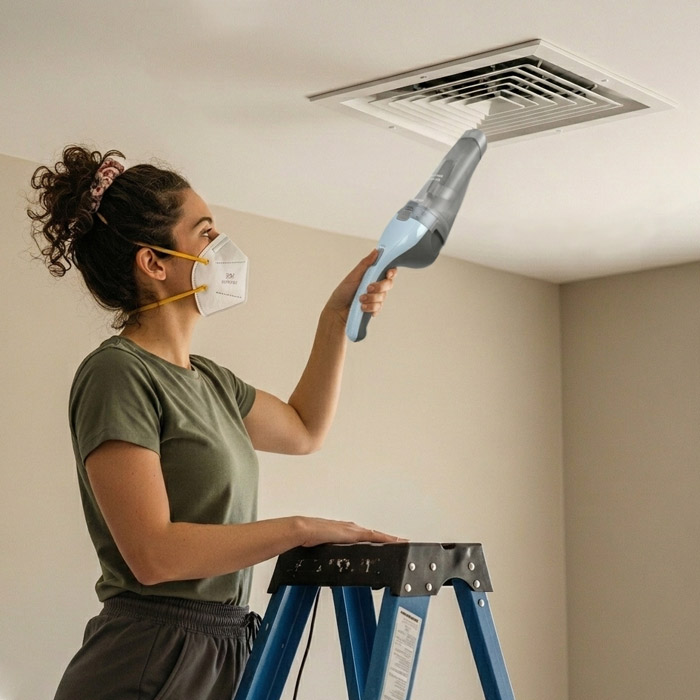
Spring cleaning for an air conditioning system helps it run smoothly before summer heat sets in. A simple check and cleanup can help prevent issues and keep the system ready for consistent cooling.
Why Spring Cleaning of Your Air Conditioning System is Important
As winter fades, most homes shift focus toward fresh air and seasonal cleaning. The air conditioning system fits right into that routine. It has likely gone months without use, and during that time, dust, dirt, and debris can build up in several places.
That buildup doesn't always show clear signs right away. Still, it can slow airflow, make the system work harder, and raise the chance of uneven cooling once temperatures rise. A system that starts the season in poor shape may struggle when it's needed most.
Spring offers a natural window for this type of maintenance. The weather is mild, the system isn't under pressure, and there's time to handle basic cleaning without urgency. That timing gives homeowners a better chance to get ahead of small issues before they turn into larger problems.
Replace or Clean the Air Filter
The air filter is one of the most important parts of the system, and it's also one of the easiest to handle. A clogged filter can restrict airflow and make the system run longer than needed. That added strain can build up over time.
A fresh filter helps air move freely. It also reduces how much dust travels through the system and into living areas. For homes with pets or higher dust levels, filters may need attention more frequently.
Spring is a good time to check the filter even if it was changed earlier. A quick inspection can reveal if it's already collecting buildup. If it looks gray or packed with debris, it's ready to be replaced or cleaned.
It's also worth checking that the filter size and type match the system. A poor fit can let air slip around the edges, which lowers its ability to trap dust. Taking a minute to confirm the correct size can make a real difference over the coming months.
Clean Supply and Return Vents
Air vents play a direct role in how well the system distributes cooled air. Dust and debris can settle on vent covers over time, especially during colder months when windows stay closed and indoor air keeps circulating.
Cleaning vent covers is simple but effective. A damp cloth or vacuum attachment can remove buildup that may block airflow. Return vents need extra attention since they pull air back into the system. If they're covered in dust, the system has to work harder to draw in air.
Furniture placement can also limit airflow. Chairs, rugs, or storage items placed in front of vents can restrict movement without anyone noticing. A quick walk through the home to check for blocked vents can help restore proper airflow.
Keeping vents clear supports better air circulation throughout the home. It also helps rooms reach and hold the desired temperature more evenly once the system starts running regularly.
Light Cleaning Around Indoor Components
Indoor AC components, such as the air handler, should stay free of dust and clutter. Even if these parts aren't touched directly, the area around them can collect dirt that may find its way into the system.
A simple cleanup can help. Removing dust from nearby surfaces, sweeping the floor, and clearing stored items can make a difference. These steps help keep the area around the unit clean and accessible.
Refrigerant lines that are visible indoors can also be checked. They shouldn't be covered in dust or debris. While homeowners shouldn't attempt repairs, a visual check can confirm that nothing appears out of place.
This kind of light cleaning doesn't take long, but it helps maintain a cleaner environment for the system. It also makes it easier to spot changes later if something doesn't seem right.
Clear Debris Around the Outdoor Unit
The outdoor condenser unit faces constant exposure to the elements. Leaves, grass clippings, dirt, and small branches can gather around it, especially after winter storms and early spring yard work. Clearing that debris is one of the most important outdoor tasks. The unit needs open airflow to release heat effectively. When debris piles up around it, airflow becomes restricted, and the system may struggle to cool the home. This step also reduces the chance of debris getting pulled into the unit during operation. Keeping the area clean sets the stage for better performance as temperatures rise.
Homeowners can start by removing loose debris from the ground and the base of the unit. Grass and weeds should be trimmed back to keep the area open. A clear zone around the unit helps it operate more smoothly.
Inspect the Outdoor Unit for Dirt and Damage
After clearing the area, the next step is a visual inspection of the outdoor unit itself. Dirt can collect on the condenser fins, and that buildup can block airflow across the coils.
A light rinse with a garden hose can help remove surface dirt. The water pressure should stay low to avoid bending the fins. If fins appear bent or damaged, they shouldn't be handled roughly.
The unit should also be checked for signs of wear. Loose panels, visible rust, or unusual buildup may signal that the system needs professional attention. While a homeowner can't fix every issue, spotting these signs early can help prevent further problems.
Check the Condensate Drain Line
The condensate drain line removes moisture that forms during cooling. If it becomes clogged, water can back up into the system or leak into surrounding areas. Keeping the drain line clear helps prevent moisture problems inside the home. It also supports steady system operation once cooling begins. Spring is a good time to check that the drain line is clear. Signs of a problem may include standing water near the indoor unit or damp areas around the drain line outlet.
Some homeowners flush the line with a small amount of water or a mild cleaning solution. This can help clear minor blockages before they turn into larger issues. Care should be taken to avoid damaging the line.
Test the Thermostat and System Operation
After cleaning tasks are complete, the system should be tested. Switching the thermostat to cooling mode allows homeowners to confirm that the system responds as expected.
The thermostat should be set a few degrees below the current room temperature. The air conditioner should start within a short time, and cool air should begin flowing from the vents. This test helps confirm that the system is ready for regular use. It also provides a chance to spot any issues early. If the system doesn't respond or takes too long to start, it may need further attention.
Thermostat settings can also be reviewed. Some homeowners adjust schedules during winter and forget to update them for spring and summer. A quick check can prevent confusion later.
Watch for Signs of Trouble
During the first few uses of the season, stay alert for signs that something isn't right. These signs can show up in small ways before they turn into larger problems.
- Unusual sounds, such as rattling or buzzing, can signal loose parts or debris inside the unit.
- Weak airflow may point to a blockage or filter issue.
- Warm air coming from vents can indicate a deeper problem with cooling.
- Odors can also be a warning sign. A musty smell may suggest moisture buildup, while a burning smell should never be ignored.
Paying attention during early use can help catch these issues before the system is under heavy demand. It gives homeowners time to address concerns before peak summer heat arrives.
Know When to Call a Professional
While many spring cleaning tasks are simple, some parts of the system require professional service. A licensed air conditioning contractor can inspect internal components, check refrigerant levels, and test electrical connections.
Professional maintenance can also include a deeper cleaning of coils and internal parts that aren't accessible during routine cleaning. These steps can support steady performance during the cooling season.
Scheduling service in spring can help avoid long wait times later. Once summer begins, service calls tend to increase, and appointments may be harder to secure.
Spring cleaning for an air conditioning system doesn't need to be complicated, but it does need attention. Small tasks like changing filters, clearing vents, and checking outdoor units can help the system start the season in better shape. These steps support steady airflow, reduce strain, and make it easier to spot problems early. With a mix of simple cleaning and timely professional service, homeowners can move into warmer months with fewer concerns about how their cooling system will perform.