



How to Protect Your Plumbing System During a Home Renovation
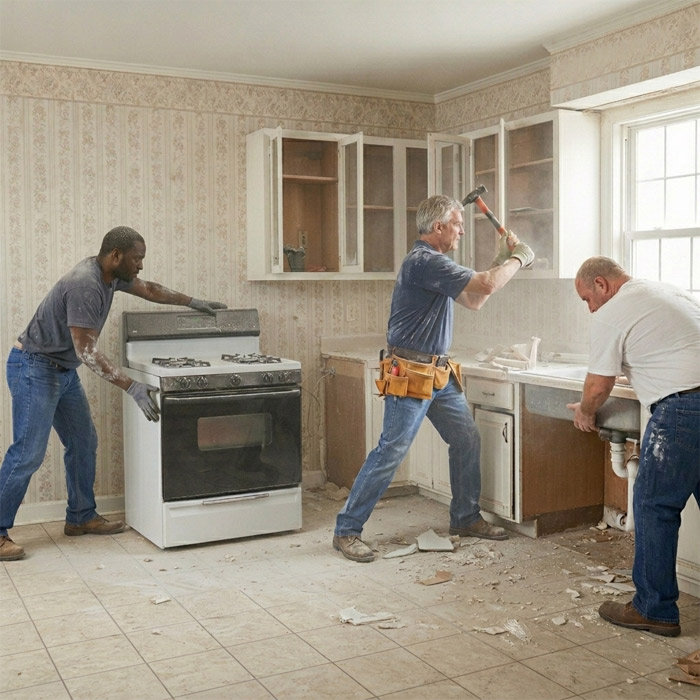
This article explains how to protect plumbing systems during home renovations by covering planning, inspection, safe work habits, debris control, coordination, and final checks to prevent leaks and damage.
Why Renovation Work Can Put Plumbing at Risk
Home renovations bring noise, dust, and constant movement through the house. Behind the walls and under the floors, pipes carry water in and waste out. Those lines stay out of sight, which makes them easy to forget during demolition and construction.
A single mistake can lead to a leak that spreads behind drywall or under flooring. That kind of damage doesn't always show right away. It can sit there for days before someone notices a soft spot or a musty smell. By then, the repair is no longer simple.
Renovation work also puts stress on older plumbing. Vibrations from tools, shifting materials, and pressure from new fixtures can cause weak sections to fail. Even small changes in layout can disturb pipes that have been stable for years.
This is why plumbing protection needs attention from the start. It's not something to address after a problem shows up. A steady, careful approach during the project can prevent major setbacks later.
Who Should Handle Plumbing Protection During a Renovation
Most of the steps in this process fall on whoever is doing the renovation work. If a contractor is hired, then they're responsible for managing the job site and protecting pipes, drains, and fixtures from damage as the work moves forward. That responsibility is part of running a safe and organized project.
If the homeowner is doing the renovation themselves, the responsibilities shift to them. It's easy to overlook plumbing when the focus is on walls, flooring, or finishes, but the risk is still there. A careful approach matters just as much with DIY work as it does on a contractor-led job.
When a project may involve or disturb the plumbing system in any way, a licensed plumbing contractor should be part of the plan. This includes situations where pipes may need to be moved, new fixtures are being added, or existing lines could be exposed or altered during the work.
A plumbing contractor brings a deeper level of knowledge that goes beyond basic awareness. They understand how changes in layout, pressure, and pipe routing can impact the system as a whole. They can also confirm that all work meets local codes, which helps avoid issues during inspections or after the project is complete.
Even when the plumbing changes seem minor, having a professional involved can prevent mistakes that are hard to fix later. It adds a layer of protection that keeps the system stable as the renovation moves forward.
Know Where Plumbing Lines Run Before Work Starts
Before any walls are opened or floors are cut, it helps to know where water lines, drain pipes, and vents run. Many homes don't have clear maps of their plumbing layout, so some investigation may be needed.
Turning on faucets and listening for pipe locations behind walls can give basic clues. Access panels, basements, and crawl areas can also show how lines are routed. In some cases, a plumber may use inspection tools to trace pipes more accurately.
This step helps avoid accidental cuts. It also helps workers plan their cuts and drill points in a way that keeps plumbing safe. When workers know what's behind the surface, they're less likely to hit something that shouldn't be touched.
Clear marking can help as well. Once pipe paths are known, marking those areas on walls or floors gives everyone on the job a visual reminder. It reduces guesswork during fast-paced work.
Inspect the Plumbing System Before Any Changes Begin
Before renovation work picks up speed, it's worth taking a close look at the plumbing system as it stands, by having a plumbing contractor inspect the system. Small problems tend to grow under pressure, and renovation work can speed that up.
Older pipes may show corrosion, mineral buildup, or weak joints. Shutoff valves might be stiff or partially blocked. Drains could already be slow, even if they haven't fully clogged yet.
Water pressure should also be checked. If water pressure is low, adding new fixtures or rerouting lines may make it worse. A quick check at this stage helps avoid confusion later.
Inspecting the plumbing system before work begins sets a solid base for the project ahead. It also reduces the chance of dealing with two separate problems at once. And addressing any issues early keeps them from turning into bigger problems mid-project. It also gives a clearer picture of what parts of the system can stay and what should be replaced.
Protect Pipes and Fixtures During Demolition
Demolition is one of the riskiest stages for plumbing. Tools are heavy, debris falls quickly, and workers move fast. Pipes that were hidden just minutes ago may suddenly be exposed. Care during this phase makes a big difference. Once pipes are visible, they should be treated as active parts of the home, not just background structure. Even a small hit can loosen a fitting or crack a line.
Covering exposed pipes can help shield them from falling debris. Temporary barriers or padding can keep tools from striking them by mistake. Fixtures near the work area should also be removed or protected.
It's also helpful to avoid leaning ladders or materials against plumbing lines. That kind of pressure can bend or weaken them, even if no damage is visible at first.
A slower, controlled demolition pace helps prevent costly repairs later. It may take a bit longer, but it keeps the system intact.
Shut Off Water and Use Controls Properly
Water control is one of the simplest ways to limit damage during a renovation. Still, it's sometimes overlooked or handled too casually.
Before major work begins, the main water supply should be easy to access and fully functional. If the main shutoff valve is stiff or hard to reach, that should be addressed right away.
Workers should know where the shutoff is located and how to use it. In an emergency, every second counts. A quick shutoff can stop a small leak from turning into widespread damage.
In some cases, sections of the plumbing system can be isolated. This allows work to continue in one area while keeping water available in another. It also reduces the risk tied to active lines during construction.
Draining lines before cutting into them can prevent sudden spills. Even a short section of pipe can hold enough water to cause a mess if it's opened without preparation.
Keep Construction Debris Out of Drains
One of the most common plumbing problems during renovation comes from debris entering drains. It doesn't take much to cause a blockage. Dust from drywall, tile fragments, paint residue, and adhesive can all settle inside pipes. Once inside, these materials can harden or build up over time.
Drains should be covered whenever nearby work is taking place. Simple drain covers or temporary caps can stop debris from entering. It's a small step that prevents a bigger issue.
It also helps to keep cleanup separate from plumbing use. Washing tools or dumping waste into sinks or tubs should be avoided. That practice leads directly to clogs.
A clean work site protects the plumbing system just as much as it improves overall safety. Keeping debris under control is a steady task, not a one-time effort.
Coordinate Plumbing Work With Other Trades
Renovation projects involve multiple trades working in the same areas. Electricians, carpenters, tile installers, and others may all need access to walls and floors. Without clear coordination, one worker can damage what another has already installed. Pipes may be cut, crushed, or blocked by other materials.
Communication helps prevent this. When plumbing routes are known and shared, other trades can plan around them. It keeps the work moving without conflict.
Access points should also stay open. Valves, cleanouts, and key pipe connections should not be buried behind fixed materials. If access is blocked, even a simple repair becomes difficult.
A steady flow of communication between workers keeps the project organized and reduces the chance of mistakes.
Replace Worn or Outdated Plumbing While Access Is Open
Renovation work exposes parts of the plumbing system that are normally hidden. This access gives a chance to deal with aging components before they fail. Old supply lines, worn valves, and dated plumbing materials can be replaced more easily when walls are already open. Waiting until later may require cutting into finished surfaces again. Taking care of these updates during the project helps keep the system stable once the renovation is complete.
Watch for Warning Signs During the Project
Even with careful planning, issues can still appear during renovation. Paying attention to early warning signs can prevent bigger problems. Common signs include damp spots, changes in water pressure, slow drainage, or unusual sounds from pipes. These signs may seem minor, but they can point to hidden issues. Workers and homeowners should stay aware of these signs throughout the project. Regular checks don't take much time, and they can catch problems early.
A quick response matters. If something seems off, it's better to pause and check than to push forward and risk more damage.
Test the Plumbing System Before Closing Walls
Before walls are closed and finishes are added, the plumbing system should be tested. This step confirms that everything is working as expected.
- Faucets, toilets, and drains should be checked for proper flow and drainage.
- Shutoff valves should open and close without trouble.
- Any new connections should be inspected for leaks.
- Water pressure should also be verified.
If something has changed, it's easier to address it before the project is finished. Once walls are sealed, access becomes limited. Fixing a hidden issue later usually involves cutting into finished surfaces again. Taking time for testing helps avoid that situation. It gives peace of mind that the system is ready for daily use.
Protecting plumbing during a renovation comes down to planning, awareness, and steady attention throughout the project. When pipes are located, inspected, protected, and tested, the risk of leaks and damage drops significantly, allowing the renovation to move forward without unnecessary setbacks.