



What to Know About Water Shutoff Valves in Your Home
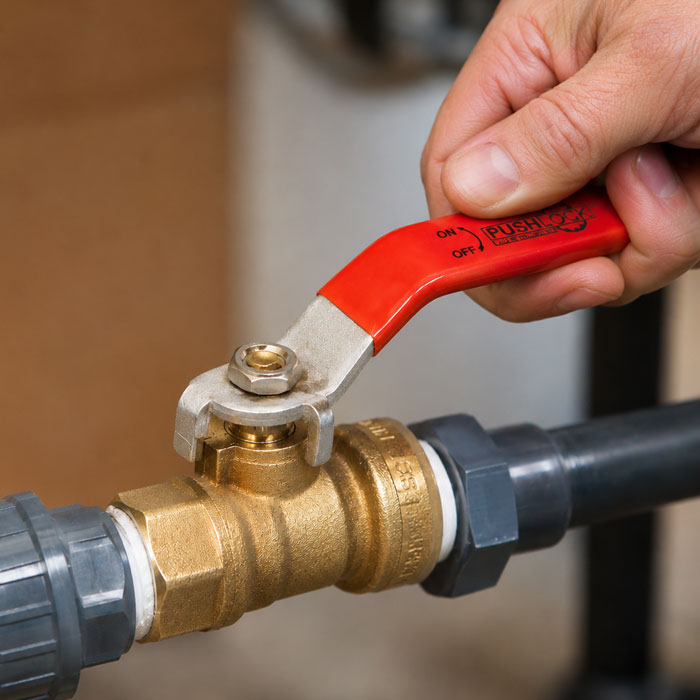
Water shutoff valves help control household water flow and prevent costly water damage. This article explains how they work, common problems, and what homeowners should know about maintaining them.
Knowing where water shutoff valves are located and how to operate them can save valuable time when a plumbing problem occurs. A damaged washing machine connection or leaking supply pipe can release considerable amounts of water, making quick access to a working valve particularly useful.
Homeowners should also become familiar with the different valve designs used in residential plumbing and understand how their condition can change over time. This knowledge can make routine plumbing maintenance and unexpected repairs easier to manage.
What Are Water Shutoff Valves and Why Are They Important?
Water shutoff valves control the flow of water through a home's plumbing system. When opened, they allow water to reach faucets, toilets, appliances, and other fixtures. Closing a valve stops the supply to the section of plumbing it controls.
Most homes have a main shutoff valve that controls the incoming water supply, along with smaller valves serving individual fixtures and appliances. These smaller valves allow plumbing repairs, appliance replacements, and fixture installations to be completed without shutting off water throughout the entire house.
Shutoff valves also play an important role during plumbing emergencies by allowing homeowners to stop water from flowing through damaged pipes or leaking connections. However, valves that remain unused for long periods can become stuck, develop leaks, or fail to close completely. Keeping them in good working condition helps homeowners avoid additional complications when repairs are needed.
Where to Find Water Shutoff Valves in Your Home
The location of water shutoff valves depends on the home's age, plumbing design, and water supply arrangement. Some are easy to identify, while others may be concealed behind cabinets or located in less frequently used areas.
The main shutoff valve is generally installed near the point where the water supply enters the house. In homes connected to a municipal water system, it may be located in a basement, utility room, crawlspace, or another accessible area near the water meter.
Depending on local building practices and climate, the main valve may also be found in a garage, utility closet, or near an exterior wall. In warmer regions, some properties have exterior shutoff valves, although underground water service connections may be controlled by the local water utility.
Properties supplied by private wells have a different plumbing arrangement. A shutoff valve may be located near the pressure tank or where the supply pipe enters the building. The well pump's electrical controls are separate from the water shutoff valve and may also need attention during certain plumbing emergencies.
Individual fixture valves are usually easier to locate. Common locations include:
- Toilets, near the base of the fixture.
- Kitchen and bathroom sinks, beneath the cabinet.
- Washing machines, on or near the wall behind the appliance.
- Water heaters, on the cold-water supply pipe.
- Dishwashers, beneath the kitchen sink or in a nearby cabinet.
- Outdoor faucets, where separate indoor shutoffs are provided.
Some houses also have additional valves controlling individual bathrooms, irrigation systems, or separate plumbing branches. These arrangements depend on how the water supply pipes were installed.
It's useful for all household members to know at least where the main water shutoff is located. A clearly identified valve can prevent confusion when immediate action is needed, especially if the person most familiar with the plumbing system isn't home.
Different Types of Water Shutoff Valves
Several valve designs are used in residential plumbing, and each operates a bit differently. The most common varieties can usually be identified by their handles and the way they open or close.
Ball Valves
Ball valves are widely used in modern plumbing systems, especially on main water supply lines. They generally have a straight lever handle that rotates one-quarter turn between the open and closed positions. When the handle is parallel to the pipe, the valve is usually open. Turning it perpendicular to the pipe closes the valve and stops water flow.
This design is popular because it's easy to operate and provides a reliable shutoff when properly installed. The position of the lever also makes it relatively easy to determine if the water supply is on or off.
Gate Valves
Gate valves are commonly found in older homes. They usually have a round handle that must be turned several times to open or close the water supply. Inside the valve, a metal gate moves up or down as the handle turns, controlling the passage of water through the pipe. This design has been used in residential plumbing for many decades.
Gate valves can provide dependable service, although their internal mechanisms may become difficult to operate with age. Some older units develop problems that make complete closure difficult, especially after long periods without use.
Multi-Turn and Quarter-Turn Fixture Valves
Smaller valves installed near toilets, sinks, and appliances are commonly called stop valves or fixture shutoffs. They may have either a traditional multi-turn mechanism or a newer quarter-turn design. Multi-turn valves generally have round or oval handles that require several rotations to stop the water. Quarter-turn models operate with a short movement, making them convenient when a fixture needs to be disconnected quickly.
Both designs serve the same purpose, and their suitability depends on the plumbing connection, available room, and quality of the valve. Homeowners should become familiar with the particular design installed at each fixture.
When and How to Shut Off Your Home's Water Supply
Different plumbing problems may require shutting off an individual fixture or the entire household water supply. For a leaking toilet, faucet, or appliance connection, closing the nearby fixture valve is generally sufficient. This isolates the affected area while allowing other plumbing fixtures to remain available. A broken pipe, major supply line leak, or water escaping from an unidentified location may require closing the main shutoff valve.
The procedure depends on the type of valve installed. A lever-style ball valve generally closes when its handle is turned perpendicular to the pipe, while round-handled valves are usually closed by turning the handle clockwise. Homeowners should operate valves gently and avoid forcing handles that resist movement.
Once the water supply is shut off, opening a faucet may help relieve pressure in the affected pipes. Some water may continue draining from plumbing fixtures and equipment until the remaining supply is emptied. After repairs are completed, the valve should be reopened gradually while checking nearby pipes and connections for leaks.
Certain plumbing systems require additional precautions. If a water heater might be drained or left without sufficient water, it should be shut down according to the manufacturer's instructions to prevent damage. Homes with private wells may also require the well pump's electrical supply to be disconnected during a serious plumbing emergency.
Electrical safety is especially important when a plumbing leak causes flooding. Homeowners should avoid standing water near electrical outlets, wiring, or appliances and arrange professional assistance if the area is unsafe.
Common Water Shutoff Valve Problems and Warning Signs
Water shutoff valves can deteriorate over time due to wear, water conditions, and long periods without operation. Recognizing the symptoms of a faulty valve can help homeowners address problems before the valve is needed during an emergency.
One common warning sign is a handle that's difficult or impossible to turn. Corrosion, mineral buildup, and internal wear may interfere with the valve's movement, especially in older multi-turn models. Handles can also become loose or damaged, sometimes turning without properly operating the internal mechanism.
Leaks are another indication of trouble. Homeowners may notice drips around the handle or stem, dampness beneath the valve, or dried mineral deposits where water has evaporated. In some cases, the leak originates from an adjoining pipe or fitting rather than the valve itself. Significant corrosion on the valve body or surrounding connections may weaken the assembly and increase the likelihood of leakage. Rust, damaged metal, or deteriorating fittings deserve attention, especially in older plumbing systems.
A valve may also appear to close normally while continuing to allow water to pass through. Worn internal seals, damaged components, or trapped debris can prevent complete closure, leaving the affected plumbing connected to the water supply.
When these symptoms appear, a plumbing contractor can determine if the valve can be repaired or needs replacement. Attempting to force a damaged valve can cause additional problems, especially when the surrounding pipes are old or corroded.
How to Maintain Water Shutoff Valves
Water shutoff valves generally require little routine maintenance, but occasional attention can help keep them accessible and ready for use.
One useful habit is keeping the area around each valve clear of stored belongings and other obstructions. A shutoff hidden behind boxes, furniture, or household equipment may be difficult to reach when water needs to be stopped quickly.
Homeowners should periodically inspect visible valves and their surroundings for moisture, discoloration, or mineral buildup. Keeping these areas reasonably dry can help limit corrosion and make small leaks easier to identify.
Accessible valves in good condition may be operated occasionally to check that they move freely, provided it's safe to do so. But older or visibly deteriorated valves should be inspected by a plumber before anyone attempts to operate them, since disturbing a damaged mechanism can sometimes cause leakage.
It's also worthwhile to have fixture valves checked when sinks, toilets, washing machines, or other plumbing equipment are being replaced. Since the plumbing connections are already being worked on, a contractor can assess the valves before the new equipment is installed.
In homes with several plumbing branches, clearly identifying the valves can make future repairs easier. Simple labels indicating which fixture or section of piping each valve controls can prevent unnecessary confusion.
These habits require little time and can help homeowners recognize developing problems, particularly in older homes where valves may have been installed decades ago.
Replacing or Installing Water Shutoff Valves
Water shutoff valves don't have a fixed replacement schedule. Their service life depends on the materials, internal design, water conditions, and installation quality. Some remain dependable for decades, while others deteriorate much sooner. Replacement is generally worth considering when a valve becomes unreliable or can no longer control water flow properly.
When replacing older equipment, homeowners may have the option of choosing a different valve design. Modern ball valves are commonly installed on main water supply lines because they're easy to operate and provide dependable shutoff control. For individual fixtures, quarter-turn valves offer a convenient alternative to traditional multi-turn models.
Additional shutoff valves can also be installed where existing plumbing doesn't provide convenient control. For example, adding a dedicated valve to an appliance supply line may simplify future repairs or equipment replacement without interrupting water service throughout the house.
The installation method depends on the material and condition of the pipes. Copper, PEX, CPVC, and other plumbing materials require compatible valves and fittings. Replacing the main shutoff valve may also require coordination with the local water utility to stop the incoming supply before work begins.
Professional installation is particularly important when pipes are corroded, damaged, or difficult to access. A licensed plumbing contractor can select suitable equipment, inspect the surrounding connections, and complete the installation according to applicable plumbing requirements.
Automatic Water Shutoff Valves and Leak Detection Systems
Automatic water shutoff systems offer homeowners another way to limit damage from unexpected plumbing leaks. These systems use electronic monitoring to detect unusual water activity and can automatically stop the flow when a possible leak is identified.
Some systems monitor water consumption throughout the house, identifying unusual patterns such as continuous flow when water normally isn't being used. Others rely on sensors placed near appliances or plumbing fixtures to detect moisture. When a problem is identified, a connected motorized valve can shut off the affected water supply and, depending on the equipment, send an alert to the homeowner's smartphone.
This technology can be especially useful when a house is unoccupied. A leaking washing machine hose or broken supply connection could otherwise release water for hours before anyone discovers the problem. Automatic shutoff systems can limit the amount of water lost, although their effectiveness depends on the type and location of the leak.
Installation requirements vary depending on the system's coverage. Whole-house models generally require a motorized valve on the main water supply line, while smaller systems may protect individual appliances or fixtures. Homeowners should also consider electrical requirements, battery backup, wireless connectivity, and how the equipment operates during power outages.
A plumbing contractor can evaluate the home's existing plumbing and explain which automatic shutoff systems are suitable. Comparing installation costs, available features, and maintenance requirements can help homeowners choose equipment that meets their needs.
Water shutoff valves are easy to overlook until a plumbing problem makes them necessary. Keeping them in good working condition can make a significant difference when an unexpected leak occurs. A professional plumbing contractor can help homeowners address concerns about aging or unreliable valves before they become a serious problem.