



Why Your Toilet Keeps Running
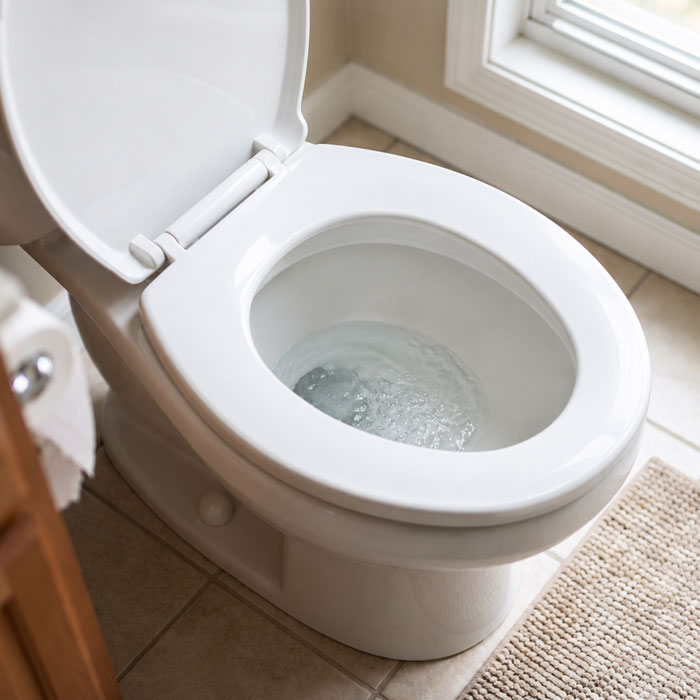
A running toilet can waste water, increase utility bills, and signal plumbing problems. This article explains common causes, troubleshooting methods, repair options, and ways to prevent recurring toilet problems.
A toilet that continues running after being flushed can be frustrating, especially when it continues long after the tank should have finished filling. Sometimes the problem is obvious, with water constantly flowing into the bowl. Other times, the toilet may seem to stop running, only to start again unexpectedly several minutes or hours later.
Although a running toilet is a common household plumbing problem, the cause isn't always immediately apparent. Fortunately, many of these issues can be resolved with relatively simple repairs.
How a Toilet's Flushing System Works
Understanding the basic operation of a toilet makes it easier to recognize why water may continue running after a flush. Most conventional residential toilets use a tank that stores water until it's needed to flush waste from the bowl. Several components control how this water is released and replenished.
When someone presses the toilet handle, a chain or connecting mechanism lifts a rubber flapper or similar seal at the bottom of the tank. This allows stored water to flow rapidly into the toilet bowl, carrying waste through the drain and into the plumbing system.
As the tank empties, the flapper settles back into position and seals the opening. Meanwhile, a fill valve allows fresh water to enter the tank through the supply line. A float mechanism monitors the rising water level and signals the fill valve to shut off once the proper level is reached.
A small refill tube also directs water into the overflow tube during this process, replenishing the water in the bowl. Once the tank and bowl have been refilled, the toilet should remain quiet until the next flush.
Under normal conditions, the refilling process takes approximately 30 seconds to a few minutes, depending on the toilet's design and water supply. When a component fails to operate correctly, the normal sequence is interrupted, allowing water to continue flowing or causing the toilet to refill unexpectedly.
Why Your Toilet Keeps Running After You Flush
One of the most common complaints homeowners have is a toilet that continues making a running water sound long after someone has flushed it. This generally indicates that water is continuing to enter or leave the tank when it should have stopped.
Several parts of the flushing system can cause this problem, and the symptoms may differ depending on which one is malfunctioning.
Worn or Damaged Toilet Flappers
The flapper is a rubber or similar flexible seal that covers the opening at the bottom of the toilet tank. Its purpose is to hold water in the tank between flushes.
Over time, flappers can become brittle, warped, or worn. Mineral deposits and prolonged exposure to certain cleaning chemicals may also damage the material. When the flapper no longer seals properly, water escapes into the bowl, preventing the tank from retaining its full supply.
A flapper may also remain partially open if its connecting chain is too short or becomes caught beneath the seal. Either condition can prevent the toilet from completing its normal flushing cycle.
Faulty Fill Valves
The fill valve controls the water entering the toilet tank after each flush. When the tank reaches its intended water level, the valve should close and stop the flow.
A worn or malfunctioning fill valve may fail to close completely, allowing water to continue entering the tank. Internal wear, damaged seals, or mineral deposits can interfere with normal operation.
Homeowners may hear a steady hissing sound even after the tank appears full. In some cases, the valve may operate inconsistently, shutting off temporarily before allowing water to flow again.
Incorrect Float Settings and Overflow Problems
The float mechanism determines when the fill valve should shut off. Depending on the toilet's design, it may be a floating cup surrounding the fill valve or an older ball-shaped float attached to an arm.
If the float is adjusted too high, the tank may continue filling until water spills into the overflow tube. This tube prevents the tank from overflowing onto the bathroom floor by directing excess water into the toilet bowl.
A damaged float mechanism can also prevent the valve from responding correctly to changes in water level. In addition, a cracked or improperly positioned overflow tube may allow water to escape before the tank fills completely.
Problems With the Flush Handle and Chain
The mechanism connecting the toilet handle to the flapper can sometimes interfere with normal operation. A chain that's too tight may hold the flapper open, while excessive slack can cause the chain to become tangled. A sticking handle or damaged lever can cause similar difficulties.
These mechanical issues may prevent the flapper from returning to its proper position after flushing, allowing water to escape until the obstruction is corrected.
Why Your Toilet Runs Intermittently
Some toilets appear to operate normally after flushing, then suddenly begin running again without anyone touching the handle. This behavior is sometimes called "phantom flushing" because the toilet seems to refill on its own. It usually happens when water slowly leaks from the tank into the bowl, causing the water level to drop until the fill valve opens to replenish it.
A slow leak around the flush valve opening is a frequent cause. Mineral buildup, debris, or deterioration around the sealing surface may allow small amounts of water to pass through even when the flapper appears to be closed.
In some toilet designs, the refill tube can also contribute to intermittent running. If it's positioned too far down inside the overflow tube, water may continue draining from the tank through a siphoning action after the filling process has stopped.
Intermittent running can be difficult to notice because the toilet may function normally during everyday use. Homeowners might hear it refill unexpectedly late at night or from another room. The frequency can provide clues about the severity of the leak, although it can't identify the exact cause. Because these problems may continue unnoticed for weeks, unexplained refilling deserves attention even when the toilet otherwise flushes properly.
How Much Water Can a Running Toilet Waste?
A running toilet may seem like a minor inconvenience, but even a small leak can waste a substantial amount of water over time. According to the U.S. Environmental Protection Agency, a leaking toilet can waste hundreds of gallons daily, depending on the severity of the problem. For example, a toilet leaking approximately 200 gallons per day would waste around 6,000 gallons during a 30-day period.
The financial impact depends on local utility rates and how the household is billed. Homes that pay separate water and sewer charges may see increases in both portions of their utility bills. In some cases, homeowners don't discover the problem until they receive an unexpectedly high bill.
Because water escaping from the tank usually flows directly into the bowl and drain, there may be no visible signs of leakage. This is particularly concerning in homes with multiple bathrooms, where a toilet that's rarely used could continue leaking for weeks without anyone noticing.
Beyond the financial costs, unnecessary water consumption places additional demand on public water supplies and wastewater treatment facilities. Addressing a running toilet promptly can conserve water and prevent an inexpensive plumbing problem from becoming a recurring household expense.
How to Identify the Cause of a Running Toilet
Homeowners can perform some simple checks to narrow down the cause of a running toilet. Most involve observing the water level and inspecting the components inside the tank.
Start by carefully removing the tank lid and placing it somewhere safe, since porcelain can crack or break if dropped. Flush the toilet and watch how the flapper, fill valve, and other components operate as the tank empties and refills.
If water continues running after the tank fills, check the water level. Water entering the overflow tube may indicate that the float is adjusted too high or the fill valve isn't shutting off properly. Loose connections, damaged rubber parts, or a handle that doesn't move freely can also provide clues.
A food-coloring test can help identify hidden leaks between the tank and bowl. Add a few drops of food coloring to the tank without flushing, then wait approximately 15 to 30 minutes. If color appears in the bowl, water is leaking from the tank. Flush afterward to remove the coloring and reduce the chance of staining.
Homeowners can also compare the toilet's behavior with others in the household. If multiple toilets begin running or refilling abnormally around the same time, a plumber may need to investigate water pressure or other plumbing conditions.
When basic troubleshooting doesn't reveal the cause, professional diagnosis can identify less obvious issues and prevent unnecessary replacement of working components.
Repairing a Running Toilet: DIY Fixes vs. Professional Repairs
Many running toilet problems can be corrected by adjusting or replacing individual components inside the tank. The appropriate repair depends on the cause, the toilet's condition, and the homeowner's familiarity with basic plumbing work.
Minor adjustments, such as correcting the length of a flush chain or repositioning an adjustable float, may be manageable for homeowners comfortable working with toilet components. Replacing a worn flapper is another relatively simple repair, although choosing the correct size and design is important because flappers aren't universally interchangeable.
Fill valve replacement is somewhat more involved because it requires shutting off the water supply, draining the tank, and disconnecting the supply line. Before attempting repairs, homeowners should locate the shutoff valve near the base of the toilet. If the valve is stuck, leaking, or damaged, forcing it can cause additional plumbing issues that require professional attention.
Some modern toilets use specialized flush valves, dual-flush mechanisms, or concealed tanks that require specific replacement parts. These systems can be difficult to repair without familiarity with the equipment, making professional plumbing service a better option.
The toilet's age and overall condition should also be considered. When multiple components are worn, replacing the internal flushing assembly may be worthwhile. If the toilet has recurring problems, damaged porcelain, or uses considerably more water per flush than newer models, replacing the entire fixture may make better financial sense.
A professional plumbing contractor can identify the underlying issue and recommend a repair or replacement based on the toilet's condition and the cost of available options.
How to Prevent Running Toilet Problems
Although toilet components eventually wear out, a few simple habits can reduce the likelihood of unexpected running water problems.
Homeowners should pay attention to changes in flushing performance, including prolonged hissing, repeated refilling, or unusually long flushing cycles. These symptoms may indicate a developing problem that should be addressed before it becomes persistent.
Cleaning products also deserve consideration. Certain toilet tank cleaning tablets contain chemicals that can deteriorate rubber seals and other internal parts. Products placed directly into the tank should be used only when they're approved for the toilet and its components.
Hard water can also contribute to premature wear. Mineral deposits may gradually accumulate on moving parts and sealing surfaces, interfering with normal operation. Periodically checking the tank for buildup can help homeowners recognize this problem early.
Toilet handles should be operated gently, without excessive force or repeatedly holding them down. Rough handling can damage connecting mechanisms or cause internal parts to shift out of position.
Homeowners should also monitor their water bills for unexplained increases, which may indicate hidden leaks. Routine plumbing inspections can identify developing problems before they lead to unnecessary water waste or additional repair expenses.
A toilet that runs continuously or starts refilling unexpectedly usually has a problem that can be corrected without replacing the entire fixture. However, allowing the issue to continue can lead to unnecessary water consumption and higher utility bills.
Homeowners who recognize unusual flushing behavior and address issues early can avoid many of these expenses. When the cause isn't clear or basic repairs haven't worked, a professional plumber can identify the problem and restore normal toilet operation.