



Why High Water Pressure Can Be Bad for Your Home's Plumbing
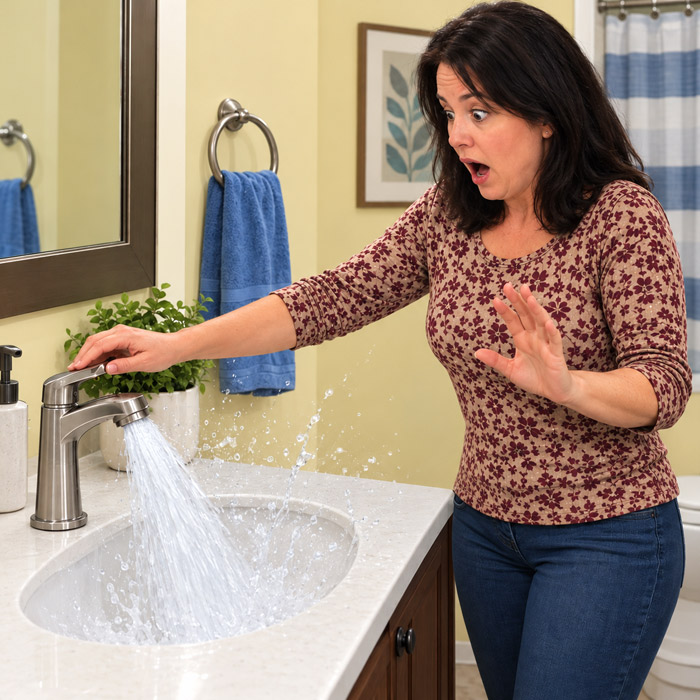
High water pressure can damage pipes, plumbing fixtures, and household appliances while increasing water bills. Understanding its causes, warning signs, and possible solutions can help homeowners prevent expensive plumbing problems.
Low water pressure can make everyday tasks frustrating, from taking a shower to washing dishes. But excessively high water pressure can be just as troublesome.
What Is Considered High Water Pressure in a Home?
Strong water pressure can make activities such as showering, washing dishes, and filling containers seem easier. However, water flowing through household plumbing at excessive pressure can cause problems that aren't immediately apparent. Finding the proper balance helps plumbing fixtures work efficiently while protecting the pipes and equipment connected to the home's water supply.
Water pressure is measured in pounds per square inch, commonly called PSI. This measurement indicates how much force water places against the inside of pipes and plumbing components. Higher PSI means greater pressure throughout the system, even when faucets and other plumbing fixtures aren't being used.
The Environmental Protection Agency (EPA) recommends incoming residential water pressure between 45 and 60 PSI. Many homes operate comfortably within this level, although individual plumbing needs can vary. Most plumbing codes require a pressure-reducing valve when incoming water pressure exceeds 80 PSI, making that an important threshold for homeowners to recognize.
Water pressure and water flow are related, although they aren't exactly the same. Pressure describes the force pushing water through the plumbing, while flow describes how much water passes through a fixture during a given period. A home's pipe sizes, plumbing layout, and fixtures also influence the amount of water available.
Maintaining suitable water pressure allows household plumbing to operate as intended without placing unnecessary strain on its components. Even when faucets seem to work normally, excessive pressure can gradually contribute to plumbing problems.
What Causes Excessively High Water Pressure?
High water pressure can originate outside the home or develop because of conditions within its plumbing system. Understanding the possible causes helps explain why some households have excessive pressure even though their neighbors may have no noticeable problems.
Municipal water suppliers maintain enough pressure to move water through underground distribution lines and reach homes throughout their service areas. Some portions of a community need higher supply pressure because of hills, long distribution distances, or differences in elevation. Homes situated at lower elevations may receive substantially greater pressure than properties farther uphill.
Water pressure can also fluctuate throughout the day as demand changes. During periods when fewer households are using water, pressure within municipal distribution lines may increase. These changes can be especially noticeable in neighborhoods supplied by systems with relatively high operating pressure.
Another possible cause involves a home's pressure-reducing valve, commonly called a PRV. This device regulates incoming water pressure before it moves through the household plumbing. Homes without a PRV may receive the full pressure supplied by the water company. An existing valve that's worn, damaged, or incorrectly adjusted may allow pressure to rise beyond the desired level.
Private well systems have different pressure controls. A pressure switch, pump, and pressure tank work together to maintain water pressure within preset limits. Problems with these components or improper adjustments can cause unusual pressure readings.
The cause of excessive pressure isn't always obvious from the way water comes out of a faucet. Identifying the source usually requires having a plumbing contractor check the incoming pressure and examining the equipment responsible for controlling it.
How High Water Pressure Damages Pipes and Plumbing Connections
Every plumbing system is designed to withstand a certain amount of internal water pressure. Pipes, fittings, and connections remain under pressure whenever the water supply is turned on, including overnight when nobody is using the plumbing.
When pressure stays unusually high, it places additional stress on these components. Plumbing joints and fittings can become vulnerable to leaks, especially when connections have already weakened because of age, corrosion, installation problems, or normal wear.
The type and condition of the plumbing also influence how well it tolerates excessive pressure. Copper, PEX, CPVC, and other approved plumbing materials have different installation requirements and pressure ratings. Although properly installed residential plumbing can withstand normal operating conditions, consistently high pressure reduces the margin for existing weaknesses.
Older plumbing systems may be particularly vulnerable because their connections have been exposed to years of changing temperatures, water movement, and regular household use. High pressure can make small defects increasingly troublesome, eventually allowing water to escape through a fitting or damaged section of pipe.
Leaks inside walls, ceilings, and enclosed plumbing areas can be especially expensive because they may remain unnoticed until visible damage appears. Water can soak insulation, damage drywall, stain ceilings, and weaken surrounding building materials.
A minor plumbing leak can also become difficult to control when considerable pressure is pushing water through the damaged connection. Prompt repairs help limit damage, although correcting the underlying pressure problem is important for preventing similar failures elsewhere.
The Effects of High Water Pressure on Faucets, Toilets, and Appliances
Household plumbing fixtures contain small internal components that control water flow and stop leaks. Excessive pressure can place additional strain on these parts, shortening their useful life and increasing the need for repairs.
Faucets contain cartridges, seals, and other moving parts that control water temperature and flow. When water pressure remains too high, these components may wear prematurely. This can contribute to dripping faucets, leaks around handles, or problems shutting off the water completely.
Toilets can develop similar problems. The fill valve inside the tank controls incoming water after each flush. Excessive supply pressure may place additional stress on this valve and contribute to noisy filling, poor shutoff, or premature replacement of internal parts.
Shower valves and other bathroom fixtures can also be vulnerable. Their internal seals and cartridges are designed to operate within specified pressure limits, and prolonged exposure to excessive pressure can increase wear.
Household appliances deserve equal consideration. Washing machines and dishwashers connect directly to pressurized water lines and use internal valves to control when water enters. These valves, along with supply hoses and their connections, must withstand pressure whenever the appliance's water supply is open.
Refrigerators equipped with water dispensers and automatic ice makers have smaller supply lines and specialized inlet valves. Excessive pressure may exceed the manufacturer's recommended limits, increasing the possibility of damaged connections or component failures.
Checking appliance installation instructions can help homeowners understand the recommended water pressure for individual equipment. Keeping the household supply within suitable limits can reduce unnecessary repairs and help these appliances remain dependable.
Why High Water Pressure Can Cause Noisy Pipes and Water Hammer
Banging, knocking, or rattling sounds inside walls can make homeowners wonder if something has come loose. Sometimes these noises are caused by water hammer, a plumbing condition that occurs when flowing water suddenly stops or changes direction.
Water moving through a pipe has momentum. When a valve closes quickly, that moving water produces a pressure surge that travels through the plumbing. The sudden change can cause pipes to vibrate or move against nearby building materials, producing a noticeable banging sound.
Washing machines, dishwashers, and certain faucets use valves that shut off water rapidly. These quick-closing valves can trigger water hammer, particularly in plumbing systems where incoming pressure is already excessive.
Higher operating pressure can increase water velocity through some fixtures and contribute to stronger pressure surges when flow stops suddenly. Repeated surges may place additional strain on pipe supports, fittings, valves, and connections.
The severity of water hammer depends on several factors, including water velocity, pipe length, plumbing layout, and the way valves operate. Loose or poorly supported pipes can make the noise especially noticeable because the pipes have greater freedom to move.
Water hammer arrestors are one possible solution. These devices contain a cushion of air or another shock-absorbing mechanism that helps control sudden pressure changes. Proper pipe supports and adjustments to the plumbing system may also be needed.
Because banging pipes can have several causes, identifying exactly when the noise occurs helps a plumber determine the appropriate correction.
How Excessive Water Pressure Can Affect Water Heaters
Water heaters are connected to the household water supply, so they're exposed to the same incoming pressure as other plumbing equipment. Excessive pressure can place unnecessary stress on the heater's tank, valves, and connections.
An additional concern involves thermal expansion, which occurs naturally as water becomes warmer. When a water heater heats the water inside its tank, the water increases slightly in volume. That additional volume needs somewhere to go.
Some homes have a closed plumbing system because a backflow prevention device, check valve, or certain pressure-reducing valves prevent water from flowing backward into the municipal supply. In these systems, heated water can't easily move back through the incoming supply line.
As the water expands, pressure can rise throughout the closed system. The increase may be substantial when the plumbing doesn't have a suitable way to accommodate the additional water volume.
A water heater has a temperature and pressure relief valve designed to open under unsafe temperature or pressure conditions. A valve that releases water repeatedly may indicate excessive pressure, a thermal expansion problem, or another condition requiring professional attention.
Many closed plumbing systems use a thermal expansion tank to accommodate changes in water volume. This small tank contains an air cushion separated from the water by a flexible barrier. As heated water expands, the tank accepts some of the additional volume and helps limit pressure increases.
The tank must be properly sized and adjusted for the plumbing system. A damaged expansion tank or one with an incorrect air charge may be unable to control pressure effectively.
Homeowners should never block, cap, or disable a water heater's temperature and pressure relief valve. Any recurring discharge should be evaluated by a qualified plumber.
How High Water Pressure Can Increase Water Bills
Excessive water pressure can increase household water consumption, particularly through fixtures that allow water to flow freely. The difference may seem small during a single use, although additional consumption can accumulate over weeks and months.
Consider a faucet without a flow-restricting device. As supply pressure increases, more water can pass through the opening during the same amount of time. If someone leaves that faucet running while washing dishes or rinsing vegetables, the household may use additional water without receiving any meaningful benefit.
Outdoor faucets and garden hoses can be particularly sensitive to pressure changes because they're frequently used without devices that limit flow. Washing vehicles, cleaning patios, and watering landscaping can consume additional water when the supply pressure is unnecessarily high.
Showerheads and faucets equipped with pressure-compensating flow controls may behave differently. These devices help limit water consumption across varying supply pressures, so increased pressure doesn't automatically produce a proportional increase in water usage.
Households that use excessive amounts of hot water may also face higher energy expenses. Heating additional water requires electricity, natural gas, or another energy source, depending on the type of water heater.
Water consumption depends on household habits, plumbing fixtures, and the equipment connected to the supply. Controlling excessive pressure can help reduce avoidable water use, particularly where unrestricted fixtures account for a substantial portion of consumption.
For households concerned about rising utility costs, checking water pressure can be a useful part of understanding where unnecessary water consumption may be occurring.
Warning Signs That Your Home's Water Pressure Is Too High
High water pressure doesn't always produce obvious symptoms. Some homeowners become accustomed to unusually strong water flow and assume it's a normal characteristic of their plumbing system.
One possible warning sign is water that rushes forcefully from faucets or sprays outside the sink when the tap is opened. A shower may also feel unusually powerful, although the showerhead's design influences how the water feels. But this is not a reliable way to determine if your water pressure is too high. Faucet aerators, flow restrictors, and the design of the fixture can influence how forcefully water comes out.
Noisy plumbing can provide another clue. Whistling or humming sounds when water passes through certain valves may be associated with excessive flow or pressure, while banging sounds can indicate sudden pressure changes.
Recurring plumbing problems deserve attention as well. Faucets that begin dripping shortly after repairs, toilet fill valves that repeatedly malfunction, or appliance connections that develop leaks may indicate unusually demanding operating conditions.
Certain appliances may also behave differently when supply pressure exceeds the limits specified by their manufacturers. Unexpected water flow behavior, recurring inlet valve problems, or repeated hose failures can warrant a closer inspection.
A particularly important warning sign involves a sudden change in water pressure. If faucets throughout the home begin producing noticeably stronger flow without an apparent explanation, something may have changed within the supply system or pressure controls.
These symptoms can have other causes, including worn components, installation defects, and individual fixture problems. Observing several warning signs throughout the home provides a stronger reason to investigate the overall water pressure.
Since excessive pressure can exist without noticeable symptoms, a pressure measurement remains the most reliable way to determine if the water supply is operating at an appropriate level.
How Homeowners Can Test Their Water Pressure
Checking household water pressure is relatively straightforward and doesn't necessarily require specialized plumbing knowledge. An inexpensive water pressure test gauge, available at most hardware stores, can provide useful information about the home's water supply. Many gauges attach to a standard outdoor hose faucet. Some can also connect to compatible laundry supply connections, making them useful in homes where an outdoor faucet isn't readily accessible.
For a basic static pressure test, all faucets and water-using appliances should be turned off. The gauge can then be attached securely to a suitable hose connection before the faucet is opened completely.
The needle on the gauge displays the pressure in PSI. Since no water is actively flowing through household fixtures during this test, the reading indicates the pressure available in the plumbing system under resting conditions.
The EPA recommends incoming service pressure between 45 and 60 PSI. A reading above that level deserves attention, particularly if it consistently approaches or exceeds 80 PSI. Local plumbing codes and the requirements of individual fixtures may influence the appropriate setting.
A single measurement may not capture pressure changes that occur throughout the day. Testing at different times can help identify fluctuations, especially during periods when neighborhood water demand is low.
Some pressure gauges include a second needle that records the highest pressure reached during a monitoring period. These gauges can help identify temporary increases that might otherwise go unnoticed.
Testing locations are important because some outdoor hose connections may be installed before a pressure-reducing valve. A reading from one of these connections could represent municipal supply pressure rather than the pressure inside the home.
Homeowners who receive unexpectedly high or inconsistent readings can have a plumber perform additional testing to determine where the pressure is coming from and how the household plumbing is operating.
How a Plumber Can Correct High Water Pressure
Correcting excessive water pressure begins with determining how water enters the home and how its pressure is controlled. A plumbing contractor can measure incoming pressure, examine the existing plumbing equipment, and identify the most suitable correction.
One common solution involves installing or servicing a pressure-reducing valve. A PRV is typically installed along the main water supply line, downstream from the water meter or main shutoff valve, depending on the plumbing layout.
Inside the valve, a spring and diaphragm mechanism respond to changes in pressure. The valve regulates the amount of pressure passing into the household plumbing, helping maintain a lower and steadier downstream pressure.
Many PRVs have an adjustment screw that changes the pressure setting. When an existing valve is working properly, a plumber may be able to adjust it to bring household pressure within the desired limits.
Over time, internal seals, springs, and other valve components can deteriorate. Mineral deposits and debris may also interfere with proper operation. A malfunctioning PRV may need servicing or replacement, depending on its condition and design.
Homes without a PRV may benefit from having one installed, particularly when municipal supply pressure consistently exceeds the recommended level. The plumber can determine an appropriate setting based on local requirements, the home's plumbing layout, and the equipment connected to the system.
It's also important to account for pressure changes that occur after installing a PRV. Some valves prevent water from flowing backward toward the municipal supply, which can make thermal expansion control necessary. A plumber can evaluate the system and install suitable protection when needed.
For homes supplied by private wells, corrective work may involve evaluating pressure switch settings, examining the pressure tank, or checking the pump's operating controls.
Once pressure has been corrected, an inspection can identify any components that may have been damaged by prolonged exposure to excessive pressure. Addressing worn fittings, weakened hoses, or leaking valves can help prevent further plumbing problems.
Professional testing is particularly useful when pressure fluctuates significantly, recurring leaks have developed, or adjustments to existing controls haven't corrected the problem.
Good water pressure makes daily household activities convenient, but excessive pressure can gradually place unnecessary strain on a home's plumbing system. Pipes, fittings, fixtures, and appliances all depend on suitable operating conditions for dependable service. Since high pressure can go unnoticed for years, occasional testing can help homeowners identify potential concerns before serious damage develops. When readings remain unusually high, a qualified plumber can determine the cause and recommend appropriate adjustments or repairs. Keeping water pressure under control helps protect household plumbing, limit unnecessary water consumption, and reduce the likelihood of unexpected repair expenses.