



Plumbing Red Flags Homeowners Should Never Ignore
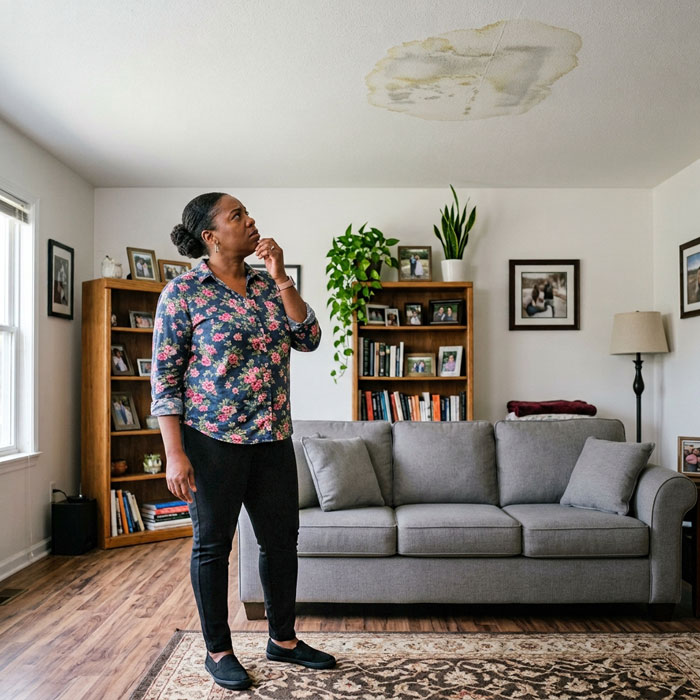
Plumbing problems can start quietly and grow costly fast. This article explains serious warning signs homeowners shouldn't ignore, what they may mean, and when a plumber should be called.
Many homes develop an occasional plumbing issue. A faucet may drip, a drain may run slowly for a day, or a pipe may make a brief sound when water starts moving through it. Those situations don't automatically point to a major problem. Certain warning signs, however, deserve closer attention because they can signal hidden water damage, failing pipes, drainage trouble, or other conditions that may become expensive if they're allowed to continue.
Knowing the difference can help homeowners respond at the right time. A plumbing red flag is usually something persistent, widespread, severe, or connected with visible damage. When several warning signs appear together, the need for a professional plumbing contractor becomes even stronger.
Water Stains, Mold, Soft Flooring, or Other Signs of Hidden Leaks
Some plumbing leaks are easy to spot because water is dripping directly from a pipe or fixture. Hidden leaks can be harder to find. Water may travel inside a wall, beneath flooring, through a ceiling, or behind cabinets before it becomes visible. By that point, surrounding materials may already have been wet for some time. Plumbing leaks can cause serious damage that requires expensive repairs.
Brown or yellow ceiling stains, peeling paint, swollen baseboards, damp drywall, musty odors, and soft flooring near plumbing fixtures can all point to water getting where it shouldn't. Cabinets beneath sinks may show swelling, staining, or peeling surfaces. Flooring around toilets, tubs, and showers may become loose or unusually soft when moisture has reached the wood below.
A stain from an old leak doesn't always mean water is still leaking. The concern grows when the area feels damp, continues getting larger, changes color, or returns after being repaired or painted. Fresh paint or new drywall over one small area can also justify a closer look when there isn't a clear explanation for the work.
Long-term moisture can damage wood, drywall, flooring, insulation, and nearby building materials. It can also support mold growth in areas that are difficult to see. A plumber can trace the likely water source and determine whether a fixture, fitting, valve, supply line, or concealed pipe is involved.
Very Low, Excessively High, or Inconsistent Water Pressure
Water pressure problems throughout a house can point to something larger than a troublesome faucet. Homeowners may notice that showers feel unusually weak, faucets take longer to fill a sink, or pressure drops sharply when another fixture starts running. Pressure may also change from one part of the house to another.
Low water pressure can have several causes, including partially closed valves, mineral buildup, corroded piping, restricted supply lines, or trouble with a pressure-regulating valve. When low pressure appears suddenly throughout the house, a plumber may need to check for a leak or another issue affecting the water supply.
Excessively high pressure deserves attention as well. Strong pressure may seem helpful at a sink or shower, yet plumbing systems and fixtures are built to operate within certain limits. Pressure that's too high can put added stress on fittings, valves, appliance connections, toilet parts, and flexible supply lines. Over time, that stress can raise the chance of leaks or premature failure.
Fluctuating pressure can also signal a valve or regulator problem. A plumber can measure the water pressure directly and check the plumbing components that control it. House-wide pressure changes that persist are worth investigating rather than assuming they're simply a quirk of the property.
Multiple Slow Drains, Backups, or Gurgling Fixtures
A slow drain becomes a bigger concern when several fixtures begin acting up around the same time. A bathtub may drain slowly while a nearby toilet bubbles, or water may rise in one fixture when another fixture empties. Those patterns can mean the issue extends beyond a small amount of hair or debris near one drain opening.
Repeated backups deserve similar attention. Drain cleaning may provide temporary relief, yet a problem that keeps returning can point to a deeper blockage, buildup inside the drain piping, damaged piping, or improper drainage. Gurgling sounds can appear when air isn't moving normally through the plumbing system or when water is struggling to pass through a restricted drain.
Timing can provide useful clues. A homeowner who sees several drains slowing at once, water backing up into another fixture, or repeated trouble shortly after a drain has been cleared has good reason to call a plumber.
Drain problems can worsen gradually, and repeated backups can expose floors, cabinets, walls, and personal belongings to dirty water. A plumber can determine which part of the home's drain system is involved and decide what type of inspection or cleaning is appropriate.
Corroded, Deteriorated, or Outdated Plumbing Pipes
Visible pipes can reveal a great deal about the condition of a plumbing system. Heavy rust, green or white deposits, flaking metal, damp joints, pitting, and repeated patches are signs that deserve attention. Corrosion may remain limited to one fitting, though widespread deterioration can point to aging pipes throughout the house.
Older homes may still contain galvanized steel, polybutylene, lead, or other piping materials that deserve closer review. The presence of an older material doesn't automatically mean the plumbing is currently failing. Age, installation quality, water chemistry, prior repairs, and the pipe's present condition all play a part.
Galvanized steel can corrode internally as it ages, narrowing the passage for water and contributing to low pressure or rusty water. Polybutylene piping has a history of failures in some installations. Lead water lines raise separate concerns and may call for testing or replacement depending on where the material is located and local requirements.
A few sections of newer pipe mixed with much older piping can also provide useful information. It may mean repairs were made in selected areas while much of the original plumbing remains. A plumber can identify visible pipe materials, inspect their condition, and explain which areas deserve further attention.
Questionable Plumbing Repairs or Poor Workmanship
Plumbing repairs sometimes accumulate over many years, especially in older homes. Some repairs are professionally done and remain reliable for decades. Others can leave behind weak connections, unsupported piping, leaking fittings, or configurations that don't meet current plumbing requirements.
Possible warning signs include pipes that sag between supports, loosely attached fittings, excessive use of temporary repair materials, awkward connections between different pipe types, poorly placed shutoff valves, or plumbing that appears to have been altered repeatedly. Sections patched in several places can suggest an ongoing issue with the pipe itself.
Work hidden behind finished walls is harder to evaluate, which makes visible workmanship especially useful. If exposed plumbing in a basement, utility area, or beneath sinks contains numerous questionable repairs, there may be reason to inspect the rest of the system carefully.
Poor work can lead to leaks, drainage trouble, unreliable shutoffs, and future repair costs. Some problems are simple to correct. Others may require replacing sections of piping. A licensed plumber can identify which repairs are sound and which ones deserve correction.
Major Water Heater Warning Signs
A water heater works quietly in the background, so signs of trouble can go unnoticed until the problem becomes serious. Water around the bottom of the tank, heavy corrosion, rust on fittings, damaged connections, or moisture around valves deserve prompt attention as they could signal a failing water heater.
The age of the water heater can provide useful context. Water heaters don't have a fixed failure date, yet an older tank showing corrosion, leaking, or other trouble has a greater chance of needing replacement. Homeowners can usually find the model and serial number on the manufacturer's label and use that information to determine approximately when the unit was made.
Unusual operating sounds can sometimes come from sediment collecting inside a tank. Minor sounds alone don't prove that a heater is failing. Loud popping, repeated banging from the tank, leaking water, or other symptoms occurring together deserve a closer inspection.
Gas water heaters raise another concern because combustion gases need to vent correctly. Loose, damaged, poorly connected, or improperly installed venting should be inspected. Electric units have their own electrical components and safety controls that can develop problems.
Water heaters hold a substantial amount of water, and tank failure can release it quickly. A plumber can check the tank, connections, valves, venting where applicable, and other visible components to determine the condition of the unit.
Rusty, Brown, or Discolored Water Throughout the Home
Discolored water can have several causes, so the location and timing of the problem are important. Water that's rusty or brown at several faucets deserves closer attention, especially when the discoloration continues after the water has run for a while.
Corrosion inside older plumbing can release rust and debris into the water. Aging galvanized pipes are one possible source. Disturbances in a municipal water system can also cause temporary discoloration, so homeowners may want to check for local water system work before assuming the home's plumbing is responsible. Homes with private wells can also develop discolored water due to well-related issues, including sediment, iron, manganese, or changes in the well or groundwater.
The pattern can help narrow down the source. Discoloration throughout the house points toward a different type of issue than discoloration limited to one faucet. Water that changes color after sitting unused for several hours can also provide useful information about the condition of nearby piping.
Any persistent change in water color deserves attention, particularly when it appears together with declining pressure, visible corrosion, or particles coming from several fixtures. A plumber can inspect the home's piping and help determine if deterioration within the plumbing system may be contributing to the problem.
Plumbing Noises That Signal a Serious Problem
Homes can have plumbing noises that aren't dangerous. Pipes can make brief sounds as water begins moving, hot pipes may tick as they warm and cool, and certain fixtures can produce harmless operating sounds. Some unusual noises deserve inspection even when they don't point to an urgent or severe condition.
For a plumbing noise to rise to the level of a red flag, the sound usually has other warning signs attached to it. Violent banging that shakes pipes, repeated hammering throughout the plumbing system, loud vibration accompanied by visible pipe movement, or sounds that begin suddenly and continue getting worse deserve closer attention.
Severe water hammer can place stress on valves, fittings, appliance hoses, and pipe connections. Pipes that visibly jump or strike framing when a valve closes may need better support or another correction. Loud noises accompanied by leaking, major pressure changes, discoloration, or poor water flow also deserve professional inspection.
The key is the severity and pattern of the sound. An occasional tick or brief gurgle doesn't belong in the same category as pipes repeatedly slamming against a wall. A homeowner who hears a new, forceful plumbing noise along with another sign of trouble should have the system checked before damage develops.
A Damaged, Corroded, or Inoperable Main Water Shutoff
The main water shutoff has one very important job: stopping the home's water supply when a major leak or plumbing emergency occurs. A valve that can't close fully can make an emergency much harder to control.
Older valves may become stiff, heavily corroded, or difficult to turn after years without use. Some begin leaking around the stem when they're operated. Others may turn without fully stopping the water. A homeowner may have no reason to touch the valve for years, which means the problem stays hidden until the valve is urgently needed.
Heavy corrosion around the main shutoff, active dripping, a broken handle, or a valve that clearly won't operate deserves attention. Forcing a badly corroded valve can damage it further, so professional inspection may be safer when its condition is questionable.
Knowing where the main shutoff is located is also useful. During a burst pipe, failed supply hose, or major fixture leak, shutting off the water quickly can reduce damage. A plumber can inspect an aging valve and replace it if its condition makes reliable operation doubtful.
Evidence of Repeated Plumbing Problems Throughout the House
One of the strongest warning signs is a pattern. A home with patched piping in several rooms, past water damage in multiple locations, repeated fixture leaks, sections of pipe replaced at different times, and numerous plumbing repairs may have a broader problem that deserves investigation.
Each repair may have a reasonable explanation. Taken together, several repairs can provide clues about the age and condition of the plumbing system. A history of leaks in different areas may point to deteriorating pipes. Repeated drain trouble can suggest a larger drainage issue. Numerous valve and fitting replacements may show that parts of the system are reaching the end of their useful service life.
Homeowners sometimes become accustomed to small recurring plumbing problems because each one seems manageable on its own. Looking at the full pattern can give a clearer view of what's happening. Repair records, invoices, visible patches, and information from previous owners can help a plumber understand what work has already been done.
A full plumbing inspection may be worthwhile when several red flags appear throughout the same house. Finding the larger cause can help homeowners make informed repair decisions and reduce the chance of dealing with one unexpected plumbing issue after another.
Plumbing red flags usually involve persistent problems, visible damage, or signs that something within the system may be failing. Taking these warning signs seriously can help homeowners address issues before they become more expensive or damaging.
Some plumbing problems turn out to be limited and straightforward to repair. Others reveal damage that has been developing quietly for months or years. Having suspicious conditions inspected early gives homeowners clearer information about what they're dealing with and what should be repaired before the problem becomes harder or costlier to control.